














How to Prevent Sciatica Flare-Ups

Sciatica can be one of the most uncomfortable forms of nerve pain. It often starts in the lower back and radiates down the buttock, thigh, or leg because the sciatic nerve becomes irritated or compressed. Sciatica This large nerve connects your lower spine to your legs and plays a major role in movement and sensation.
While some people experience sciatica only once, others deal with recurring flare-ups. The good news is that understanding the triggers can help you prevent many of these episodes.
What Causes Sciatica Flare-Ups?
Sciatica flare-ups occur when something increases pressure or irritation around the sciatic nerve. This can happen due to lifestyle factors or underlying spinal conditions.
1. Herniated or Degenerating Discs
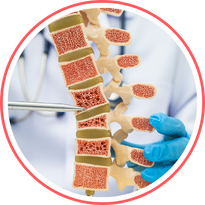
One of the most common causes of sciatica is a herniated or slipped disc in the lower back. When a disc bulges or tears, it can press on nearby nerve roots and trigger pain that travels down the leg.
In fact, disc problems are responsible for a large proportion of sciatic nerve pain cases.
2. Too Much Sitting
Prolonged sitting can increase pressure on the lower spine and sciatic nerve. Many people notice that long hours at a desk or driving can trigger symptoms.
When you sit for long periods:
- the hip flexors tighten
- spinal discs compress
- nerve irritation increases
3. Sudden Increase in Physical Activity
Jumping into intense exercise or heavy lifting without preparation can irritate spinal structures and trigger a flare-up.
This often happens when people:
- start a new workout program
- lift heavy objects improperly
- increase activity too quickly
4. Poor Posture
Slouching while sitting or standing can place extra stress on the lower spine. Over time, this posture can compress discs and irritate nerves.
Common posture-related triggers include:
- hunching over a laptop
- leaning forward while using a phone
- sitting without back support
5. Stress and Poor Sleep
Many people don’t realize that stress and sleep quality affect nerve pain. Stress can increase muscle tension in the back and hips, while poor sleep prevents tissue recovery.
Together, these factors can make the sciatic nerve more sensitive and prone to flare-ups.
Symptoms of a Sciatica Flare-Up
Sciatica symptoms can vary from mild to severe. Common signs include:
- Sharp or burning pain in the lower back
- Pain radiating down the buttock or leg
- Tingling or “pins and needles”
- Numbness in the leg or foot
- Muscle weakness in severe cases
These symptoms occur because the sciatic nerve carries signals between the spine and lower body.
How to Prevent Sciatica Flare-Ups
Preventing flare-ups usually involves reducing pressure on the sciatic nerve and improving spinal health.
1. Move Frequently
One of the simplest ways to prevent sciatica is to avoid staying in one position for too long. Few tips:
- stand or walk every 30–60 minutes
- take movement breaks during desk work
- stretch your hips and hamstrings
Regular movement helps keep spinal discs healthy and reduces nerve irritation.
2. Strengthen Core and Back Muscles
Strong core muscles support the spine and reduce stress on discs and nerves.
Helpful exercises include:
1. Glute bridges

2. Pelvic Tilt

3. Hamstring Stretch

Physical therapy programs often focus on these movements to support the spine and reduce nerve compression.
3. Maintain Proper Posture
Good posture reduces unnecessary pressure on the lower back.
Posture tips:
- keep your back straight while sitting
- use lumbar support in chairs
- keep screens at eye level
- avoid slouching
Small posture improvements can significantly reduce strain on spinal structures.
4. Increase Activity Gradually
If you’re starting a new fitness routine or returning after a break, increase intensity slowly.
Best practices:
- warm up before exercise
- avoid sudden heavy lifting
- build strength gradually
This allows muscles and spinal tissues to adapt without irritating nerves.
5. Improve Sleep and Stress Management
Stress and poor sleep can worsen pain sensitivity and muscle tension.
Helpful habits include:
- maintaining a consistent sleep schedule
- practicing relaxation techniques
- using supportive pillows or mattresses
These changes help the body recover and reduce inflammation around nerves.
When to See a Doctor
While many cases of sciatica improve with movement and lifestyle adjustments, you should seek medical advice if you experience:
- severe or worsening pain
- significant leg weakness
- numbness in the groin area
- loss of bladder or bowel control
These symptoms could indicate a more serious spinal condition.
Key Takeaway
Sciatica flare-ups often occur due to disc problems, prolonged sitting, poor posture, or sudden activity changes. By staying active, improving posture, strengthening your core, and managing stress, many people can significantly reduce the frequency of flare-ups.
Taking care of your spine today can help you move more comfortably and avoid painful sciatic nerve episodes in the future.
Learn More About Us
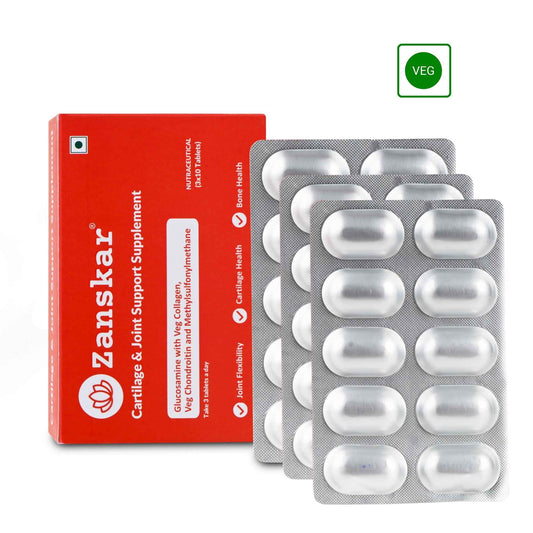
If you have joint pain, muscle pain or headaches that makes it hard to move, Zanskar offers the most advanced full stack pain relief solutions for you.
Now available to purchase, Zanskar® pain-care range have unique bio-active formulations. It provides lasting relief from muscle and joint discomfort that you can feel good about. Get your fix before stocks run out - buy now.
You can also gain access to therapeutic exercises and stretches for your condition by downloading the Zanskar Health physiotherapy mobile app. Additionally, you’ll have a personal care team to guide, support, and tailor our program to you, including behavioral and nutritional coaching.
Download our mobile app here 👉 download and track your exercise streak.
Medical Review: This article is written and medically reviewed by Dr Nishtha Mittal (Senior Health Content Editor at Zanskar Health). This article and its contents are provided for educational and informational purposes only and do not constitute medical advice or professional services specific to you or your medical condition.