








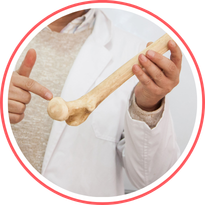





Why Frozen Shoulder is nearly 3.7 times more common in Diabetic Patients

Frozen shoulder is often thought of as a local shoulder problem. But for people living with diabetes, the risk can be substantially higher.
Research has consistently found a strong association between diabetes and adhesive capsulitis, the medical term for frozen shoulder. An earlier meta-analysis found that people with diabetes were about five times more likely to develop frozen shoulder than people without diabetes. More recent evidence continues to confirm a strong association, with a 2026 systematic review and meta-analysis estimating that people with diabetes had approximately 3.7 times higher odds of developing adhesive capsulitis.
So why does diabetes make the shoulder more vulnerable?
The answer appears to involve a combination of chronic blood sugar exposure, changes in collagen, inflammation and fibrosis within the shoulder capsule.
What Exactly Is Frozen Shoulder?
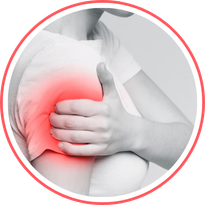
Frozen shoulder, or adhesive capsulitis, occurs when the capsule surrounding the shoulder joint becomes inflamed, thickened and progressively stiff.
The shoulder is normally one of the body’s most mobile joints. It relies on a flexible joint capsule to allow movements such as:
- Raising the arm overhead
- Reaching behind the back
- Putting on a shirt
- Combing the hair
- Reaching for objects on a high shelf
With frozen shoulder, these movements gradually become painful and restricted.

Unlike many other causes of shoulder pain, frozen shoulder typically causes restriction of both active and passive movement. In other words, even when someone else tries to move the arm, the shoulder remains stiff.
Frozen shoulder generally progresses through stages:
1. Freezing stage
Pain gradually increases and movement starts becoming restricted. Night pain can be particularly troublesome.
2. Frozen stage
Pain may begin to settle, but stiffness becomes more pronounced. Everyday activities can become difficult.
3. Thawing stage
Shoulder movement gradually improves, although recovery can take months and sometimes considerably longer.
The underlying biology involves inflammation followed by fibrosis and abnormal collagen deposition within the joint capsule.
The Diabetes Connection: Why Is the Risk So Much Higher?
Diabetes does not simply affect blood glucose levels. Persistently elevated glucose can influence connective tissues throughout the body.
The shoulder capsule is made largely of connective tissue, including collagen. Several mechanisms have been proposed to explain why diabetes increases the risk of adhesive capsulitis.
1. High Blood Sugar Can Alter Collagen
One of the most important theories involves advanced glycation end-products, or AGEs.
When glucose remains elevated over long periods, sugar molecules can attach to proteins such as collagen. This process is known as glycation.
Over time, these reactions can produce AGEs, which can alter the structure and mechanical properties of connective tissue.
The result may be collagen that is less flexible and connective tissue that is more prone to stiffness.
AGEs have also been identified in the synovial tissue of people with frozen shoulder, supporting a potential link between abnormal glucose metabolism and changes within the shoulder capsule.
2. Diabetes May Promote Fibrosis
Frozen shoulder is not simply a problem of tight muscles.
A major feature of the condition is fibrosis, in which connective tissue becomes excessively thickened and scar-like.
Research suggests that inflammatory signalling can activate fibroblasts, the cells responsible for producing extracellular matrix and collagen. Excessive activity of these cells can contribute to thickening and contraction of the joint capsule.
Diabetes may create an environment that makes these processes more likely or more persistent.
3. Chronic Metabolic Changes Affect Connective Tissue
Diabetes can affect multiple tissues beyond the pancreas and blood vessels.
Long-term metabolic changes can influence:
- Collagen turnover
- Tissue elasticity
- Microvascular function
- Inflammatory pathways
- Wound and tissue repair
- Connective-tissue remodelling
Because the shoulder capsule depends on healthy connective tissue for normal mobility, these changes may increase susceptibility to stiffness.
Importantly, researchers are still investigating exactly how these mechanisms interact. Diabetes is clearly associated with frozen shoulder, but the precise biological pathway is not completely established.
How Strong Is the Evidence?
The association is not based on a single study.
A meta-analysis published in 2016 examined 18 studies and found that people with diabetes were approximately five times more likely to have adhesive capsulitis than controls. It estimated the prevalence of frozen shoulder among people with diabetes at approximately 13.4%.
A subsequent systematic review and meta-analysis published in BMJ Open found that people with diabetes had 3.69 times higher odds of developing frozen shoulder compared with people without diabetes. The authors also found supportive evidence from cohort studies, although they noted that the available studies had limitations, including the possibility of unmeasured confounding.
A newer 2026 systematic review and meta-analysis reached a similar overall conclusion, reporting approximately 3.7-fold higher odds of adhesive capsulitis among people with diabetes.
This explains why the “nearly five times” figure is frequently cited. The exact estimate varies depending on the studies and methodology used, but the overall message is consistent:
Diabetes is a major risk factor for frozen shoulder.
Does Better Blood Sugar Control Prevent Frozen Shoulder?
This is an important question, but the evidence is more complicated than simply saying that better glucose control prevents frozen shoulder.
Some observational research has found an association between higher glycaemic levels and increased risk. The 2026 review, for example, identified poor glycaemic control as one of several factors associated with frozen shoulder. However, the overall evidence does not establish a simple cause-and-effect relationship between a particular HbA1c level and frozen shoulder.
Good diabetes management remains important for many aspects of health, but it should not be presented as a guaranteed way to prevent adhesive capsulitis.
Are Diabetic Patients More Likely to Have a Difficult Recovery?
Possibly.
Some evidence suggests that frozen shoulder can be more persistent or difficult to treat in people with diabetes. A systematic review examining diabetes as a prognostic factor found evidence suggesting worse outcomes in some diabetic patients, although the certainty of this evidence was moderate to low.
This makes early recognition particularly important.
If shoulder pain is accompanied by progressively decreasing movement, waiting indefinitely for it to “go away on its own” may allow stiffness to become more established.
What Does Frozen Shoulder Feel Like?
The symptoms can develop gradually, which means they are sometimes mistaken for ordinary muscle pain.
Common symptoms include:
- Shoulder pain that gradually increases
- Pain that is worse at night
- Difficulty sleeping on the affected side
- Increasing difficulty raising the arm
- Trouble reaching behind the back
- Difficulty putting on or removing clothing
- Reduced shoulder rotation
- Progressive stiffness rather than pain alone
A particularly useful clue is loss of movement.
Someone may initially notice that reaching into a cupboard or putting on a shirt has become uncomfortable. Over time, they may realise that they physically cannot move the shoulder through its previous range.
Frozen Shoulder vs Ordinary Shoulder Pain
Not every painful shoulder is a frozen shoulder.
Rotator cuff problems, tendon injuries, arthritis, bursitis and other shoulder conditions can produce pain and restricted activity.
Frozen shoulder is characterised particularly by progressive restriction of shoulder movement, including passive movement.
For this reason, persistent shoulder pain and stiffness should be evaluated by a qualified healthcare professional rather than diagnosed solely from symptoms.
What Should a Person With Diabetes Do If Their Shoulder Starts Becoming Stiff?
Do not ignore progressive stiffness.
If shoulder movement is gradually becoming more restricted, particularly if pain is disturbing sleep or interfering with daily activities, consult a doctor or physiotherapist for an appropriate assessment.
Management may involve a combination of:
- Activity modification
- Physiotherapy and guided mobility exercises
- Pain management
- Anti-inflammatory treatment when appropriate
- Corticosteroid injection in selected patients
- Hydrodilatation in selected cases
- Surgical procedures for persistent cases that do not respond adequately to conservative treatment
The appropriate treatment depends on the stage of frozen shoulder, severity of symptoms, medical history and individual response to treatment.
People with diabetes should also discuss any treatment that could affect blood glucose levels with their healthcare professional. This is particularly relevant when corticosteroids are being considered.
The Bigger Picture: A Shoulder Problem May Reflect a Metabolic Problem
Frozen shoulder is a useful reminder that diabetes can affect much more than blood sugar.
The relationship between diabetes and adhesive capsulitis appears to involve changes in connective tissue, collagen, inflammation and fibrosis. Although researchers are still working to understand the exact mechanisms, the epidemiological association is strong and has been reproduced across multiple reviews and studies.
If you have diabetes and notice that your shoulder is becoming progressively painful or stiff, don’t automatically assume it is simply age-related pain or a muscle strain.
Recognising frozen shoulder early can help you seek appropriate assessment and begin an appropriate management plan sooner.
Key Takeaways
- People with diabetes have a substantially higher risk of developing frozen shoulder.
- An earlier meta-analysis found approximately 5 times higher risk, while newer evidence estimates roughly 3.7 times higher odds.
- Frozen shoulder involves inflammation, thickening and fibrosis of the shoulder capsule.
- Chronic glucose-related changes in collagen and connective tissue may contribute to the association.
- Frozen shoulder is more common in people with diabetes than in the general population.
- Progressive loss of shoulder movement is an important warning sign.
- Persistent shoulder pain and stiffness should be assessed rather than self-diagnosed.
- Diabetes management and shoulder treatment should be approached together with appropriate medical guidance.
Frequently Asked Questions
1. Can diabetes cause frozen shoulder?
Diabetes is strongly associated with an increased risk of frozen shoulder, although the exact biological mechanisms are still being studied. Current evidence supports diabetes as an important risk factor for adhesive capsulitis.
2. What percentage of diabetics get frozen shoulder?
A 2016 meta-analysis estimated the prevalence of adhesive capsulitis among people with diabetes at approximately 13.4%. Individual studies have reported different rates depending on the population and diagnostic criteria.
3. Is frozen shoulder more common in Type 1 or Type 2 diabetes?
Both Type 1 and Type 2 diabetes are associated with frozen shoulder. Available evidence does not consistently demonstrate a major difference in prevalence between the two groups.
4. Can frozen shoulder go away on its own?
Frozen shoulder can improve over time, but recovery can be prolonged and symptoms can significantly affect daily life. For localised relief from muscular and joint discomfort around the shoulder, Zanskar Advanced Pain Healing Cream can be used as part of a broader pain-management routine. The cream contains ingredients such as MSM, Arnica, Capsaicin, Boswellia, Vitamin B6 and Natural Sulphur, formulated for topical application over areas affected by pain and discomfort.
5. Should diabetics exercise a frozen shoulder?
Gentle, appropriately prescribed mobility exercises are commonly part of frozen shoulder management. However, exercises should be tailored to the stage of the condition and should not be forced through severe pain. A physiotherapist or healthcare professional can guide an appropriate programme.
6. When should I see a doctor for shoulder pain?
Consider medical evaluation when shoulder pain persists, progressively worsens, disrupts sleep, or is accompanied by increasing difficulty moving the arm, particularly if you have diabetes.
Learn More About Us
If you have joint pain, muscle pain or headaches that makes it hard to move, Zanskar offers the most advanced full stack pain relief solutions for you.
Now available to purchase, Zanskar® pain-care range have unique bio-active formulations. It provides lasting relief from muscle and joint discomfort that you can feel good about. Get your fix before stocks run out - buy now.
You can also gain access to therapeutic exercises and stretches for your condition by downloading the Zanskar Health physiotherapy mobile app. Additionally, you’ll have a personal care team to guide, support, and tailor our program to you, including behavioral and nutritional coaching.
Download our mobile app here 👉 download and track your exercise streak.
Medical Review: This article is written and medically reviewed by Dr Nishtha Mittal (Senior Health Content Editor at Zanskar Health). This article and its contents are provided for educational and informational purposes only and do not constitute medical advice or professional services specific to you or your medical condition.