









High Blood Pressure May Be Harming Your Joint Cartilage

When we think about high blood pressure, we usually think about the heart, brain and kidneys. But emerging research suggests that hypertension may also have an unexpected connection with joint health.
New research indicates that high blood pressure may accelerate the breakdown of cartilage and contribute to the progression of osteoarthritis, particularly in joints that have already been affected by ageing or injury.
This could change the way we think about osteoarthritis. It may not be only a problem of “wear and tear”. Factors affecting the rest of the body, including cardiovascular and hormonal health, may also influence how quickly joint damage progresses.
What happens to cartilage in osteoarthritis?
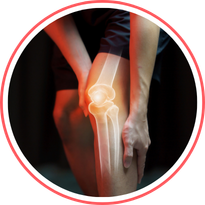
Cartilage is the smooth, flexible tissue that covers the ends of bones inside a joint. It allows bones to move smoothly against each other while absorbing some of the impact from everyday activities such as walking, climbing stairs and exercising.
As osteoarthritis develops, cartilage gradually loses its structure and ability to withstand mechanical stress.
The cartilage can become thinner and damaged, while the bone underneath it may also undergo changes. Inflammation and changes in the surrounding joint tissues can further contribute to the cycle of joint degeneration.
Traditionally, osteoarthritis has been associated with factors such as ageing, excess weight, previous injuries and repetitive mechanical stress.
But researchers are increasingly discovering that systemic health may also play a role.
How could high blood pressure affect your joints?
Blood pressure is the force exerted by circulating blood against the walls of your blood vessels. When this pressure remains elevated for long periods, it can affect the function and structure of blood vessels throughout the body.
This matters for your joints because the tissues surrounding cartilage, particularly the subchondral bone beneath the cartilage, depend on a healthy blood supply.
Changes in blood flow and vascular function may affect the environment in which cartilage is maintained.
In simple terms:
High blood pressure → changes in vascular and hormonal signalling → changes in the joint environment → increased cartilage vulnerability
This does not mean that everyone with hypertension will develop osteoarthritis. Instead, hypertension may be one of several factors that influence how quickly joint degeneration progresses.
The new connection between blood pressure and cartilage
A recent study has provided an especially interesting clue.
Researchers investigated a hormone called arginine vasopressin (AVP). AVP plays an important role in regulating blood pressure and the body’s fluid balance.
The researchers found that AVP can interact with a receptor called AVPR1A on cartilage cells.
Interestingly, healthy cartilage appears to have very little of this receptor. However, ageing or mechanical injury to a joint can increase the presence of AVPR1A in cartilage.
This may be important because it suggests that an already vulnerable joint could become more susceptible to signals associated with hypertension.
The researchers found that when hypertension was combined with joint injury in experimental models, cartilage damage was greater than when the joint was injured without hypertension.
This points towards an important concept:
High blood pressure may act as an accelerator of osteoarthritis rather than being the sole cause of it.
Why previous joint injuries may matter
A previous knee injury, ligament injury or other joint trauma can increase the risk of developing osteoarthritis later in life.
When cartilage is injured, the cells within it can change their behaviour. They may begin producing more enzymes and inflammatory signals that contribute to breakdown of the cartilage matrix.
The new research suggests that this altered cartilage environment may also make the joint more responsive to hypertension-related hormonal signals.
This could help explain why two people with similar blood pressure levels may experience very different degrees of joint degeneration.
Is high blood pressure a direct cause of osteoarthritis?
Not exactly.
Osteoarthritis is a complex disease. Age, genetics, body weight, previous injuries, muscle strength, physical activity and metabolic health can all influence the risk of developing it.
The current evidence does not mean that high blood pressure alone causes osteoarthritis.
Instead, emerging research suggests that hypertension may contribute to or accelerate the biological processes involved in cartilage degeneration, particularly in joints that are already vulnerable because of ageing or injury.
More research in humans is needed to establish exactly how important this pathway is and whether controlling blood pressure can directly slow osteoarthritis progression.
What does this mean for your joint health?
The potential connection between blood pressure and osteoarthritis highlights an important lesson:
Joint health cannot always be considered separately from overall health.
Maintaining healthy blood pressure is already important for protecting your heart, brain and kidneys. It may also have implications for maintaining healthier joints, although more research is needed to confirm the extent of this benefit.
Other steps that can support long-term joint health include:
- Maintaining a healthy body weight
- Staying physically active
- Building strength around vulnerable joints
- Treating joint injuries appropriately
- Eating a balanced, nutrient-rich diet
- Managing blood pressure, blood sugar and cholesterol
- Seeking medical advice when persistent joint pain or stiffness develops
Protect your joints from more than just wear and tear
Osteoarthritis is increasingly being understood as a whole-joint disease, rather than simply cartilage wearing away with age.
Cartilage, bone, blood vessels, hormones and inflammatory pathways all interact within the joint.
The emerging research on hypertension adds another piece to this puzzle. It suggests that when ageing or previous injury makes cartilage vulnerable, blood-pressure-related hormonal and vascular changes may potentially accelerate the process of joint degeneration.
So, taking care of your joints may involve more than protecting them from physical stress. It may also mean taking care of the health factors that affect your entire body.
Because healthier joints start with a healthier you.
Frequently Asked Questions
1. Does hypertension damage cartilage?
Research suggests that hypertension-related vascular and hormonal changes may influence cartilage and the underlying bone. A recently identified AVP-AVPR1A pathway may be one mechanism involved, although further human research is needed.
2. Can controlling blood pressure protect my joints?
Keeping blood pressure within a healthy range is important for overall cardiovascular health. Whether blood-pressure control directly prevents or slows osteoarthritis is still being investigated.
3. What are the biggest risk factors for osteoarthritis?
Ageing, previous joint injuries, excess body weight, genetics, repetitive joint stress and muscle weakness can all contribute to osteoarthritis risk. Cardiovascular and metabolic health may also influence disease progression.
4. Should people with osteoarthritis get their blood pressure checked?
Yes. Blood pressure should be monitored as part of routine healthcare regardless of whether someone has osteoarthritis. People with persistent high blood pressure should discuss appropriate management with their healthcare professional.
Learn More About Us
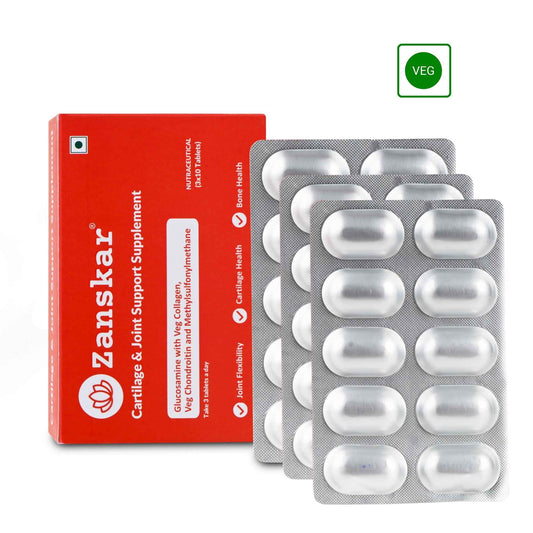
If you have joint pain, muscle pain or headaches that makes it hard to move, Zanskar offers the most advanced full stack pain relief solutions for you.
Now available to purchase, Zanskar® pain-care range have unique bio-active formulations. It provides lasting relief from muscle and joint discomfort that you can feel good about. Get your fix before stocks run out - buy now.
You can also gain access to therapeutic exercises and stretches for your condition by downloading the Zanskar Health physiotherapy mobile app. Additionally, you’ll have a personal care team to guide, support, and tailor our program to you, including behavioral and nutritional coaching.
Download our mobile app here 👉 download and track your exercise streak.
Medical Review: This article is written and medically reviewed by Dr Nishtha Mittal (Senior Health Content Editor at Zanskar Health). This article and its contents are provided for educational and informational purposes only and do not constitute medical advice or professional services specific to you or your medical condition.