


Chemo-Related Joint Pain: How Cancer Treatment Can Affect Your Body

Cancer treatment can cause more than fatigue and nausea. Some people also experience musculoskeletal symptoms, such as joint pain, muscle aches, stiffness, or weakness. These symptoms can make everyday activities—like walking, climbing stairs, or getting out of bed—more difficult.
Pain symptoms vary from person to person. Their cause, timing, and duration can depend on the treatment, your health, and other factors. If you notice new or worsening pain, tell your oncology team so they can help identify what may be contributing.
Why might treatment cause pain?
Some chemotherapy medicines can cause temporary muscle and joint aches. Other cancer treatments may also affect how your body feels. Hormone therapy can contribute to joint pain or stiffness, while immunotherapy can sometimes cause inflammation that needs medical assessment.
Fatigue or nausea may make it harder to stay active. Less movement can contribute to stiffness, reduced endurance, or muscle weakness, making daily tasks feel more challenging.
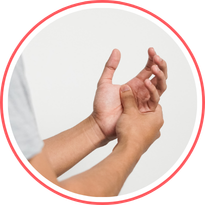
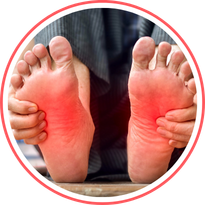
Not all discomfort is joint or muscle pain. Tingling, burning, numbness, or changes in sensation—often in the hands or feet—may be signs of peripheral neuropathy, which affects the nerves. Nerve symptoms and MSK pain can occur together.
What can Chemo pain feel like?
People may experience:
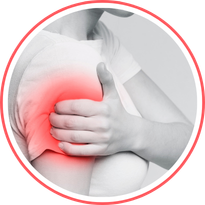
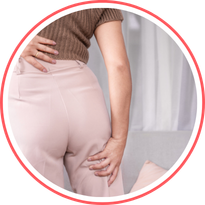
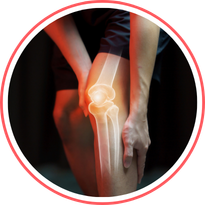
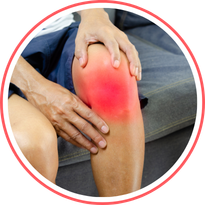
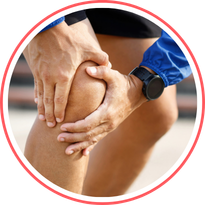
- Aching or stiffness in joints such as the knees, hips, shoulders, or hands
- Muscle soreness, tenderness, or a heavy feeling in the arms or legs
- Discomfort after sitting or lying down for a while
- Pain or weakness that makes everyday movement harder
- Fatigue that affects how much activity feels manageable
Symptoms may follow a pattern during treatment or persist, but there isn’t one timeline that applies to everyone.
How to relieve joint and muscle pain after chemotherapy
1. Heat therapy
By applying a heat source to an area of pain, you are superficially increasing localised body temperature, dilating blood vessels and increasing blood flow to the area, to relax muscles. It can also stimulate thermoreceptors in the skin, overriding pain signals travelling to the brain with non-painful stimuli (known as ‘pain-gate theory’). You can use a hot water bottle, gel packs or hot baths.
2. Cold therapy
When a source of cold is applied to an area of the body, it constricts the blood vessels in the local area and reduces blood flow to the area. For this reason, the area will go numb and reduce your pain while the cold is applied. When the cold source is removed, blood flow to the area will increase thus ‘flushing’ away toxins from the area, which can help with inflammation. It can also reduce discomfort through pain-gate theory, as described above.
3. Massage
Receiving massage from a trained professional during your chemotherapy, may help manage symptoms of aching, pain, anxiety and restlessness. Light touch massage styles are recommended over deep muscle massages during cancer treatment. It is also recommended to avoid massage directly over tumour sites, affected lymphatic nodes and radiotherapy treatment sites.
4. Gentle stretching programme
Muscles that are in pain tend to become tense. Over time this can lead to shortened, stiff muscles with a reduced range of movement. For this reason, it is important to incorporate gentle stretches into your daily routine, to maintain your movements and prevent further pain.
5. Regular activity
Your body was designed to move - though this may be easier said than done during chemotherapy treatment. Committing to a gentle exercise routine is hugely beneficial, for a vast number of chemotherapy-induced side-effects, including aching legs.
Choose a low-impact exercise that puts minimal stress through your joints, such as walking or using a static bike. Aim to complete for a short period daily where possible, to increase blood flow and maintain cardiovascular function.
In summary, the top remedies for aching legs and joints are:
- Apply a heat source to the area of pain such as a hot water bottle or heat pack
- Take a warm bath to relax aching muscles
- Use a cold compress to numb pain and reduce inflamation
- Consider light touch massage to relieve pain
- Do gentle exercise and stretching such as walking to increase blood flow
- Practice relaxation techniques such as deep breathing or hypnotherapy
- Talk to your doctor about pain relief or antihistamines
Successfully managing the side-effects of chemotherapy will improve the quality of your treatment plan, your wellbeing and your life. If you are finding it difficult to manage your aching legs during chemotherapy, be sure to reach out to health-care professionals with the experience and expertise to support you.
Considering a topical cream for localized discomfort
For localized muscle or joint discomfort, some people consider topical products such as Zanskar Advanced Pain Healing Cream as part of their comfort routine. Ask your oncology team or pharmacist before using it, especially during cancer treatment. They can review the ingredients, check for possible interactions or skin-related concerns, and advise whether it’s appropriate for you.
Use the product only as directed on its label and avoid applying it to irritated or broken skin. A topical cream should not replace medical evaluation, prescribed treatment, or advice from your care team. Contact your clinician if pain is severe, persistent, worsening, or accompanied by new symptoms.
When to contact your oncology team
Let your care team know about pain that is severe, persistent, worsening, or interfering with daily activities. Also report new numbness, tingling, weakness, joint swelling or redness, worsening balance, or difficulty walking. New joint symptoms during immunotherapy deserve prompt discussion with your clinician.
Seek urgent medical care for chest pain, severe shortness of breath, sudden severe weakness, or sudden inability to bear weight.
Finding an approach that fits
Cancer treatment can affect how your body feels and moves, and symptoms may change over time. Work with your oncology team to understand what might be causing your pain and which options are safe for you. With individualized guidance, you can find manageable ways to support movement and daily activities during treatment.
This article is for general information and is not a substitute for personal medical advice. Consult your oncology team about symptoms, treatment, exercise, or topical products.