













Endometriosis and Migraines: Understanding the Surprising Connection

For many women, endometriosis means more than painful periods. It can involve persistent pelvic pain, fatigue, digestive discomfort, and challenges that affect everyday life. But there may be another symptom worth paying attention to: recurring migraines.
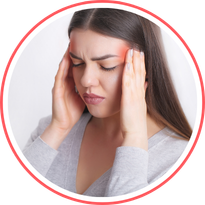
Research increasingly suggests that endometriosis and migraine frequently occur together. Both conditions can be influenced by hormonal fluctuations, involve complex pain pathways, and significantly affect quality of life.
A 2025 systematic review and meta-analysis published in The Journal of Headache and Pain found that people with endometriosis had approximately 2.25 times the odds of experiencing migraines compared with those without the condition. The analysis included 13 studies involving more than 331,000 individuals.
These findings highlight a potentially important connection between reproductive health and neurological pain. However, researchers caution that the available evidence has limitations, and the association does not establish that endometriosis directly causes migraines.
Understanding this relationship may help women recognise symptoms earlier and seek more coordinated care.
What Is Endometriosis?
Endometriosis is a chronic condition in which tissue resembling the lining of the uterus grows outside the uterus. These growths may develop around the ovaries, fallopian tubes, bowel, bladder, and other areas of the pelvic cavity.
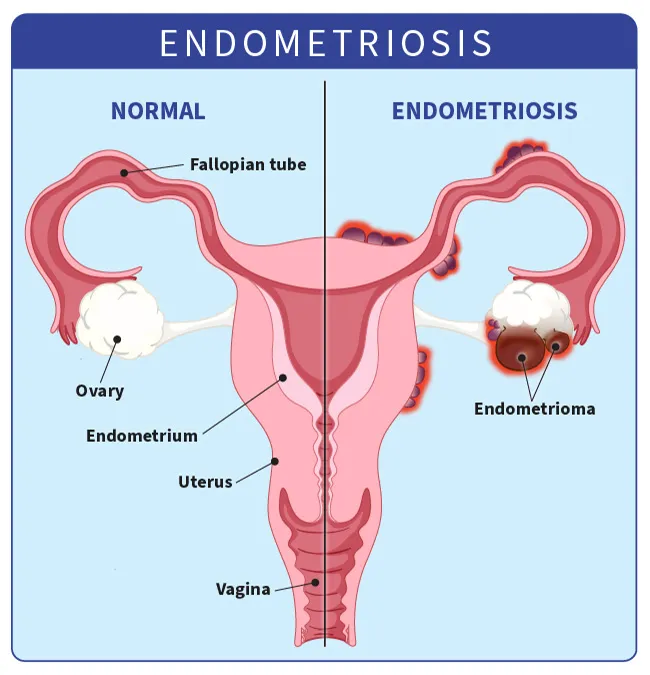
The condition can cause inflammation and pain, with symptoms varying considerably from one person to another.
Common symptoms include:
- Painful or unusually severe menstrual cramps
- Persistent pelvic or lower abdominal pain
- Pain during or after sexual activity
- Discomfort during bowel movements or urination
- Fatigue and digestive symptoms
- Difficulty conceiving
Some women experience severe symptoms that interfere with work, sleep, and daily activities. Others may have endometriosis without recognising its symptoms immediately.
Diagnosis can also take time, meaning women may live with persistent pain for years before receiving appropriate treatment.
Importantly, endometriosis is not simply a condition affecting the reproductive organs. Researchers are investigating its relationship with other chronic pain conditions, including migraine.
What Does Research Reveal About Endometriosis and Migraines?
The association between endometriosis and migraine has been investigated for years.
A 2012 population-based study found that migraine was more common among women with endometriosis than among women without the condition. Subsequent research has continued to explore this relationship.
More recently, a 2025 systematic review and meta-analysis examined 13 studies involving 331,655 individuals, including 32,489 people with endometriosis.
The researchers found that people with endometriosis had 2.25 times the odds of experiencing migraines compared with those without endometriosis.
The association remained statistically significant in additional analyses that accounted for relevant confounding factors and hormonal therapy use.
However, the researchers also identified important limitations. The studies differed in their populations, diagnostic methods, and quality, and several had a high risk of bias. The overall certainty of the evidence was rated as low.
The findings therefore suggest a meaningful association, but more rigorous research is needed to understand its causes and clinical implications.
What Does This Mean for Women?
The research suggests that migraine should not necessarily be viewed as an unrelated problem in someone living with endometriosis.
Women experiencing recurring headaches alongside pelvic pain or painful periods may benefit from discussing both sets of symptoms with their healthcare professionals.
Recognising this overlap could help doctors make more informed decisions about diagnosis, treatment, and long-term symptom management.
Why Might Endometriosis and Migraines Occur Together?
Researchers have not established a single explanation for the relationship between these conditions. Several overlapping biological processes may be involved.
1. Hormonal Fluctuations Throughout the Menstrual Cycle
Hormonal changes are an important consideration in both endometriosis and migraine.
Changes in oestrogen levels can influence migraine susceptibility. Some women experience attacks shortly before or during menstruation, when hormone levels fluctuate.
Endometriosis is also influenced by hormonal activity, and its symptoms may worsen during particular phases of the menstrual cycle.
These shared hormonal influences may help explain why some women experience both conditions.
However, the relationship is complex. Hormones are unlikely to explain every case, and individual responses to hormonal changes vary.
2. Inflammation and Chronic Pain
Inflammation plays an important role in endometriosis. Endometriosis-associated lesions can contribute to inflammatory activity and irritation of surrounding tissues and nerves.
Migraine is a neurological disorder involving complex interactions between the brain, nerves, and pain-signalling pathways.
Researchers are investigating whether some of the biological processes involved in inflammation and pain signalling overlap between the two conditions.
Another possibility is that persistent pain may influence the way the nervous system processes painful stimuli. In some chronic pain conditions, this can contribute to increased pain sensitivity.
These mechanisms offer possible explanations for the observed association, but the precise relationship between endometriosis-related inflammation and migraine remains uncertain.
3. Shared Genetic and Biological Factors
Genetics may also contribute to the relationship.
Research has suggested that endometriosis and migraine may share some genetic influences. This raises the possibility that certain individuals have an underlying susceptibility to both conditions.
However, shared genetic influences do not mean the conditions are identical or that one necessarily causes the other.
Further research is needed to establish which genetic and biological factors matter most and how they interact with hormones, inflammation, and environmental influences.
4. Overlapping Pain Pathways
Endometriosis and migraine are both associated with chronic or recurrent pain, although the nature of that pain differs.
Endometriosis commonly causes pelvic pain, while migraine involves attacks of headache and other neurological symptoms that can range from nausea and light sensitivity to visual disturbances.
Both conditions can interfere with everyday activities and may coexist with other chronic pain disorders.
Conditions reported alongside endometriosis and migraine include irritable bowel syndrome, fibromyalgia, chronic fatigue, and bladder pain conditions.
The presence of multiple pain conditions can make diagnosis and treatment more complicated. It also highlights the importance of considering a person’s overall symptoms rather than treating each complaint in isolation.
The Menstrual Connection: Why Timing Matters
One of the most important overlaps between endometriosis and migraine is their relationship with menstruation.
For some women, both pelvic pain and headaches become more severe around their periods. Tracking when these symptoms occur can help identify patterns that might otherwise go unnoticed.
Migraine associated with menstruation generally falls into two categories:
Pure menstrual migraine: Migraine attacks occur exclusively around menstruation.
Menstrually related migraine: Attacks occur around menstruation but also at other times during the month.
Hormonal fluctuations are thought to contribute to these patterns, although other factors can also influence attacks.
For someone living with endometriosis, recognising a recurring pattern of headaches around menstruation may provide useful information for a healthcare professional.
A symptom diary can help establish whether headaches consistently occur around the same phase of the menstrual cycle and whether their timing coincides with worsening pelvic pain.
It is important to remember that not every headache around menstruation is a migraine. A proper assessment can help distinguish migraine from other causes of headache.
Why Diagnosis and Coordinated Care Matter
Endometriosis and migraine are often managed by different specialists. A gynaecologist may focus on pelvic pain and reproductive health, while a neurologist or headache specialist addresses migraine symptoms.
When the two conditions are considered separately, their potential relationship may be overlooked.
For example, a woman seeking help for painful periods may not mention recurring headaches. Similarly, someone consulting a doctor for migraines may not realise that severe menstrual pain is relevant to their assessment.
Discussing both conditions together can give healthcare professionals a more complete picture of a patient’s symptoms.
This is particularly important when symptoms are persistent, interfere with daily activities, or become progressively more severe.
A coordinated approach may involve a gynaecologist, a headache specialist, and other healthcare professionals depending on the individual’s needs.
Can Treatment for Endometriosis Affect Migraines?
Treatment decisions can become more complex when someone experiences both endometriosis and migraine.
Endometriosis may be managed using hormonal therapies, pain-relieving medications, or surgery in selected cases. The appropriate approach depends on symptom severity, treatment response, reproductive goals, and individual medical circumstances.
Hormonal treatments may also influence migraine patterns.
Some women find that hormonal therapy helps manage symptoms, while others may experience changes in headache frequency or severity. The effects depend on the treatment and the individual’s response.
Why Migraine History Matters When Choosing Hormonal Treatment
Certain migraine features can influence which hormonal treatments are appropriate.
In particular, migraine with aura requires special consideration when evaluating oestrogen-containing contraceptives because of the associated risk of ischaemic stroke.
Migraine with aura may involve temporary neurological symptoms, such as flashing lights, blind spots, tingling, or difficulty speaking, that typically develop before or during an attack.
Women with migraine, especially migraine with aura, should tell their healthcare professional before starting or changing hormonal treatment.
Depending on the circumstances, a clinician may consider alternative hormonal approaches, including progestin-only options.
Treatment decisions should always be individualised. Women should not stop prescribed medication or change contraception without consulting their healthcare professional.
When Should You Speak to a Doctor?
Recurring migraines alongside painful periods or persistent pelvic pain deserve attention, particularly when symptoms affect everyday life.
Consider discussing your symptoms with a healthcare professional if you experience:
- Menstrual cramps that regularly disrupt work, sleep, or daily activities
- Recurrent headaches that interfere with normal functioning
- Headaches that repeatedly occur around menstruation
- Persistent pelvic pain or pain during sexual activity
- Pelvic pain accompanied by bowel or bladder symptoms
- Headaches that are becoming more frequent or severe
Keeping a symptom diary can be a useful starting point. Record headache dates, duration, severity, menstrual dates, associated symptoms, and medications taken.
This information can help your doctor assess potential patterns and determine whether further evaluation or specialist referral is appropriate.
Seek urgent medical attention for a sudden, extremely severe headache or a headache accompanied by new weakness, confusion, difficulty speaking, or other concerning neurological symptoms.
The Takeaway
Endometriosis and migraine may seem like unrelated conditions, but research suggests that they frequently coexist.
The findings also highlight the importance of recognising symptoms across different areas of health.
If you live with endometriosis and experience recurring migraines, discussing both conditions with your healthcare professional may help you receive more coordinated care and make informed decisions about treatment.
Understanding the connection is an important step towards ensuring that persistent pain is recognised, investigated, and managed appropriately.
Learn More About Us
If you have joint pain, muscle pain or headaches that makes it hard to move, Zanskar offers the most advanced full stack pain relief solutions for you.
You can also gain access to therapeutic exercises and stretches for your condition by downloading the Zanskar Health physiotherapy mobile app. Additionally, you’ll have a personal care team to guide, support, and tailor our program to you, including behavioral and nutritional coaching.
Download our mobile app here 👉 download and track your exercise streak.
Medical Review: This article is written and medically reviewed by Dr Nishtha Mittal (Senior Health Content Editor at Zanskar Health). This article and its contents are provided for educational and informational purposes only and do not constitute medical advice or professional services specific to you or your medical condition.