






Why Hip Pain Gets Worse When You Sleep

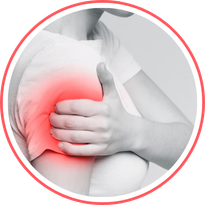
Hip pain that feels manageable during the day can suddenly become more intense at night. Many people experience aching, stiffness, burning, or sharp pain in the hips as soon as they lie down or try to sleep on one side. In some cases, the discomfort becomes severe enough to repeatedly disturb sleep and affect overall quality of life.
Night-time hip pain is commonly linked to inflammation, pressure on the joint, stiffness from inactivity, poor sleeping posture, or underlying joint degeneration. Conditions such as hip arthritis, bursitis, AVN (Avascular Necrosis), cartilage wear, tendon irritation, and sciatica are among the most common reasons hip pain becomes worse while sleeping.
Why Hip Pain Feels Worse at Night
During the day, movement helps maintain circulation, lubricate the joints, and prevent stiffness. At night, the body stays in one position for long periods, increasing pressure on inflamed tissues and sensitive joints.
Lying on one side can directly compress:
- Hip cartilage
- Bursa
- Tendons
- Muscles
- Nerves around the hip
This prolonged pressure often increases inflammation and pain sensitivity, especially in already damaged or weakened hip joints.
Reduced movement during sleep can also cause joints to stiffen, which is why many people wake up with severe hip tightness or pain while turning in bed.
Common Causes of Hip Pain While Sleeping
1. Hip Osteoarthritis and Cartilage Wear
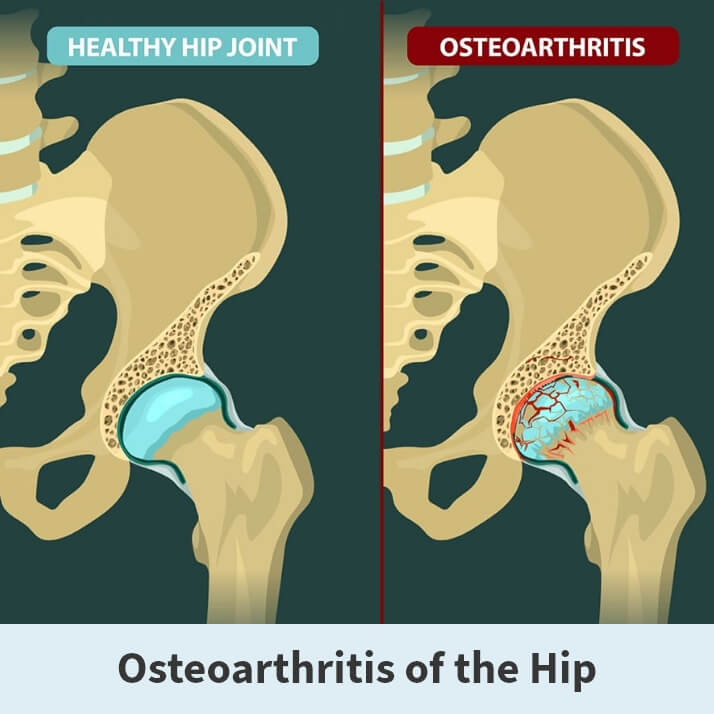
One of the most common reasons for night-time hip pain is degeneration of cartilage inside the hip joint.
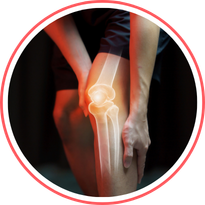
Cartilage acts as a protective cushion between bones. When this cushioning gradually wears down due to age, stress, obesity, previous injury, or arthritis, the bones begin to experience increased friction and inflammation.
This can cause:
- Deep aching pain in the hip or groin
- Morning stiffness
- Pain while turning in bed
- Reduced flexibility
- Pain after long periods of rest
Many people notice that hip joint pain becomes significantly worse at night because inflamed joints stiffen further during inactivity.
In early and moderate stages, supporting joint health, mobility, and cartilage function may help improve comfort and slow further degeneration.
2. AVN (Avascular Necrosis) of the Hip
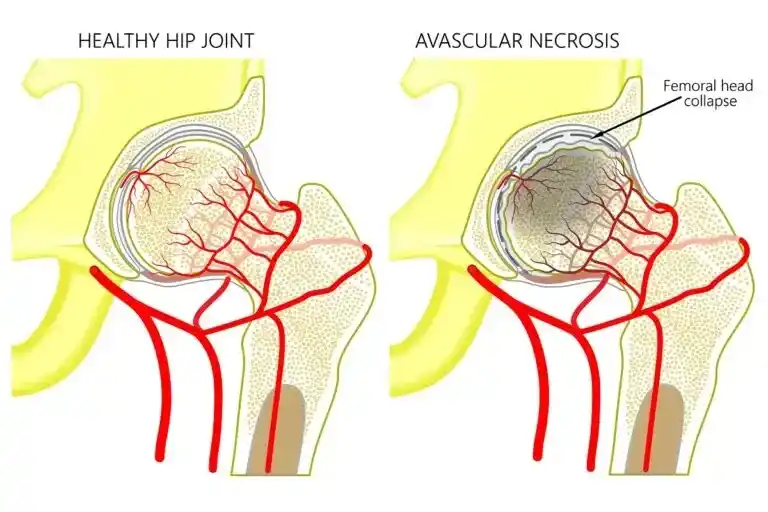
Avascular Necrosis is a serious condition where blood supply to the hip bone becomes reduced, leading to gradual damage and collapse of bone tissue.
The hip joint is one of the most commonly affected areas.
Night pain is extremely common in AVN because:
- Pressure inside the damaged bone increases during rest
- Joint inflammation worsens
- Structural weakness inside the hip creates persistent deep pain
Symptoms may include:
- Deep groin pain
- Pain radiating to the thigh or buttock
- Limping
- Difficulty walking
- Severe pain while lying down or sleeping
As AVN progresses, cartilage damage and joint degeneration can also increase, making long-term joint support increasingly important.
In recent years, doctors have also observed a noticeable rise in Avascular Necrosis cases following COVID-19 infections and prolonged steroid use. Steroids, especially when used in high doses or over extended periods, can affect blood supply to the bone and are considered one of the major risk factors associated with AVN development.
3. Hip Bursitis
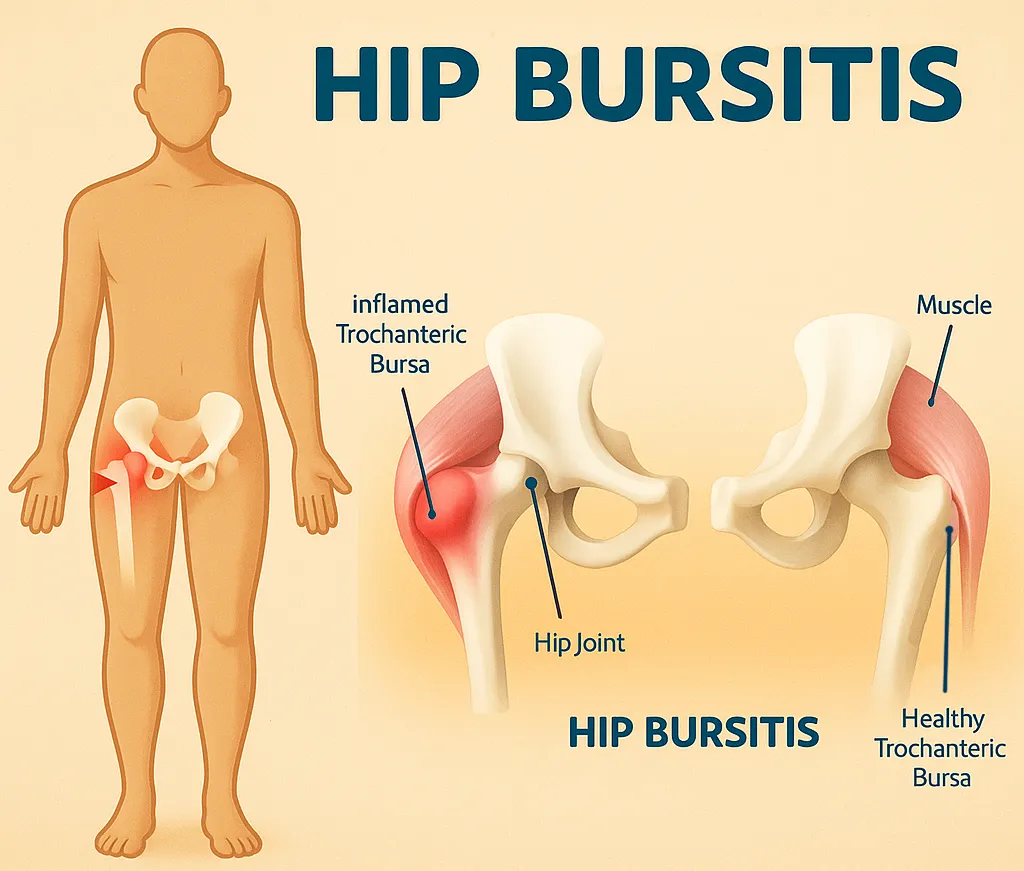
Hip bursitis occurs when the fluid-filled sacs that cushion the hip joint become inflamed.
This condition commonly causes:
- Pain on the outer side of the hip
- Tenderness while sleeping on one side
- Burning or aching pain at night
Even normal body weight pressing against the hip during sleep can aggravate inflamed bursae.
4. Tendon and Muscle Irritation

Weak glute muscles, prolonged sitting, repetitive strain, or posture imbalances can overload the tendons around the hip.
This can lead to:
- Outer hip pain
- Tightness while lying down
- Pain after inactivity
- Discomfort while climbing stairs or walking
Tendon irritation often becomes more noticeable during sleep because surrounding muscles stiffen overnight.
5. Sciatica and Nerve Compression
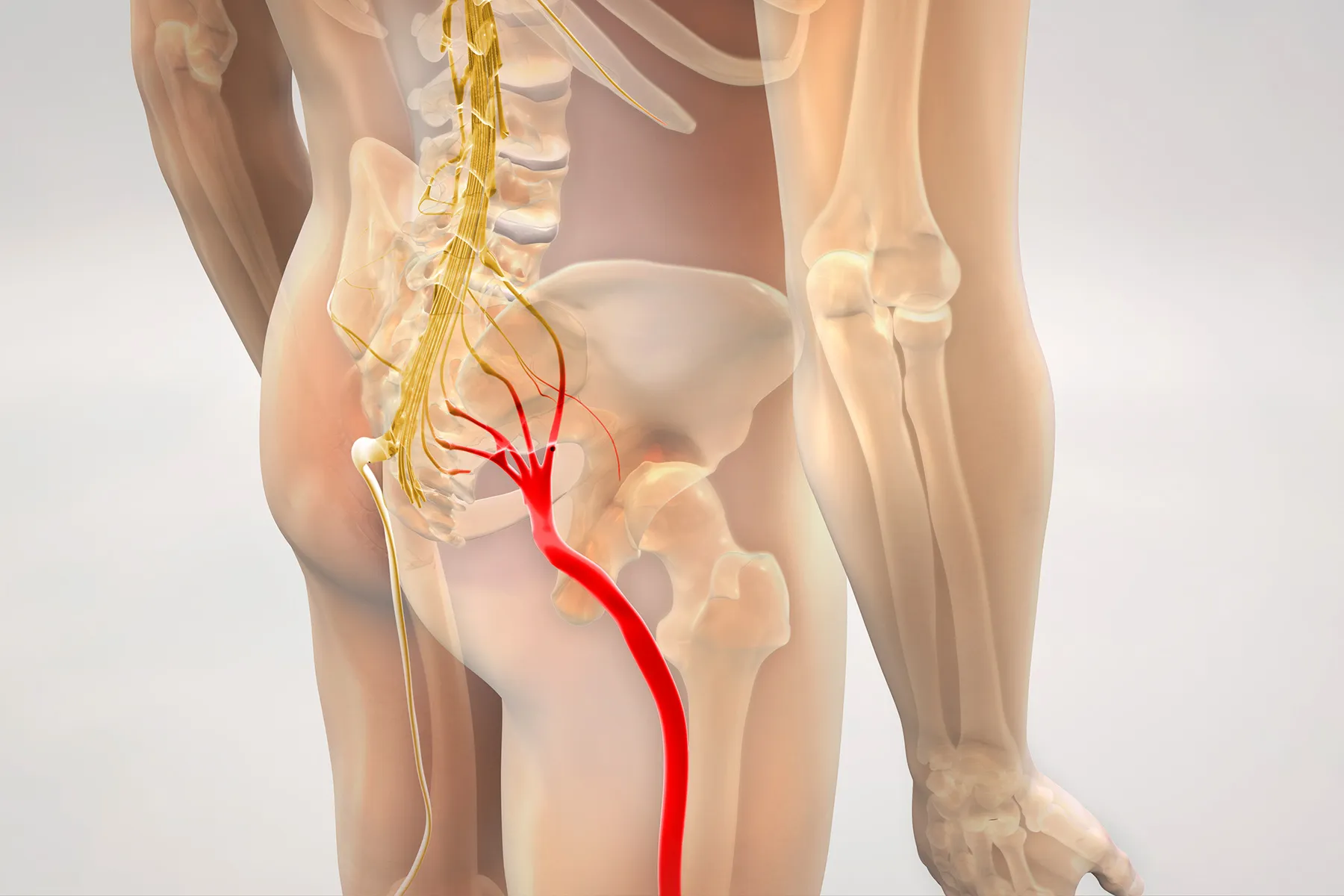
Sometimes pain that feels like “hip pain” actually originates from the lower back or sciatic nerve.
Nerve irritation may cause:
- Burning pain
- Tingling
- Pain radiating down the leg
- Electric-shock sensations
Certain sleeping positions can worsen nerve compression and increase pain at night.
Why Hip Joint Pain Often Feels Better During Movement
Movement helps:
- Improve circulation
- Lubricate joints
- Reduce stiffness
- Keep surrounding muscles active
This is why many people with arthritis, AVN, or cartilage degeneration notice:
- More pain after resting
- Stiffness in the morning
- Difficulty getting out of bed
- Pain after sitting or lying down too long
How to Reduce Hip Pain While Sleeping
Improve Sleeping Position
Helpful changes include:
- Sleeping on the back when possible
- Placing a pillow between the knees while side sleeping
- Avoiding sleeping directly on the painful hip
- Keeping the spine and hips aligned
These adjustments reduce pressure on the hip joint and surrounding tissues.
Maintain Joint Mobility
Gentle daily movement and stretching may help reduce stiffness around the hip.
Commonly recommended exercises include:
- Hip flexor stretches
- Glute stretches
- Mobility exercises
- Low-impact walking
Avoid excessive high-impact activity if the hip joint is already inflamed or damaged.
Support Joint and Cartilage Health
In conditions involving cartilage wear, joint degeneration, or AVN-related stress on the hip, maintaining joint support becomes especially important.
Many people look for ingredients that help support:
- Cartilage function
- Joint lubrication
- Mobility
- Inflammation response
- Bone and connective tissue health
Consistent long-term joint support may help improve comfort, flexibility, and daily movement in people experiencing chronic hip joint discomfort.
When to Seek Medical Attention
Hip pain should be medically evaluated if it:
- Persists for several weeks
- Causes limping
- Radiates down the leg
- Worsens rapidly
- Causes weakness or numbness
- Severely disrupts sleep
Early diagnosis is especially important in conditions such as AVN and progressive joint degeneration.
Final Thoughts
Hip pain that worsens during sleep is often a sign of underlying inflammation, joint stress, cartilage wear, nerve irritation, or reduced mobility. Conditions such as osteoarthritis, AVN, bursitis, tendon irritation, and sciatica commonly become more painful at night because prolonged inactivity and pressure increase stiffness and inflammation.
Improving sleep posture, maintaining mobility, reducing inflammation, and supporting long-term joint health can all play an important role in improving comfort and reducing night-time hip pain.
Learn More About Us
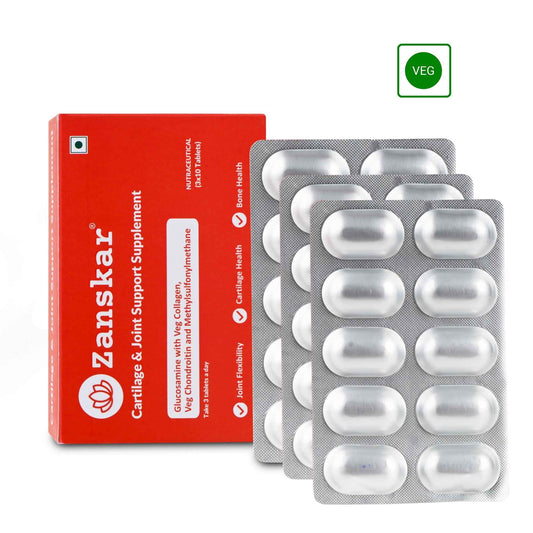
If you have joint pain, muscle pain or headaches that makes it hard to move, Zanskar offers the most advanced full stack pain relief solutions for you.
Now available to purchase, Zanskar® pain-care range have unique bio-active formulations. It provides lasting relief from muscle and joint discomfort that you can feel good about. Get your fix before stocks run out - buy now.
You can also gain access to therapeutic exercises and stretches for your condition by downloading the Zanskar Health physiotherapy mobile app. Additionally, you’ll have a personal care team to guide, support, and tailor our program to you, including behavioral and nutritional coaching.
Download our mobile app here 👉 download and track your exercise streak.
Medical Review: This article is written and medically reviewed by Dr Nishtha Mittal (Senior Health Content Editor at Zanskar Health). This article and its contents are provided for educational and informational purposes only and do not constitute medical advice or professional services specific to you or your medical condition.