






Can depression cause physical pain?

Most people think of depression as something that affects mood, motivation, or sleep. What is less talked about is how strongly it can show up in the body as real, persistent physical pain.
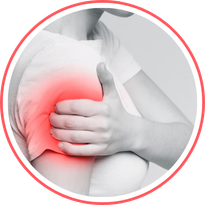
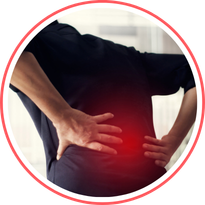
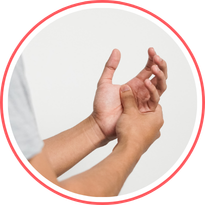
Many individuals experiencing long-term joint pain, neck stiffness, back pain, or unexplained body aches may not realize that emotional stress and low mood can intensify how pain is felt and processed.
Research shows that the mind and body are deeply connected, and when mental health suffers, physical discomfort often follows .
How Depression and Pain Are Connected
Pain is not just a physical signal from muscles or joints. It is processed in the brain. Depression can alter how the brain interprets pain signals, making even mild discomfort feel more intense or long-lasting.
Key connections include:
- Shared brain chemicals: Mood and pain rely on similar neurotransmitters, such as serotonin and norepinephrine
- Increased sensitivity: Depression can lower pain tolerance, causing aches to feel stronger
- Reduced movement: Low energy and motivation can lead to stiffness and muscle weakness, worsening pain
This explains why people with chronic pain are more likely to experience low mood, and why those with depression often report physical aches without a clear injury.
Common Physical Symptoms Linked to Low Mood
Depression-related physical symptoms often include:
- Neck and shoulder tightness
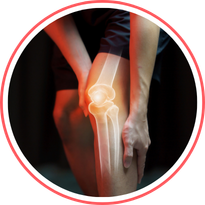
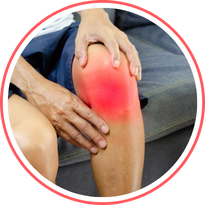
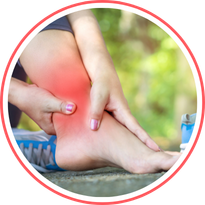
- Lower back or knee pain
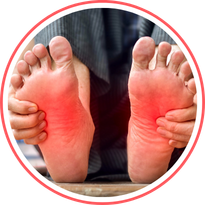
- Generalized body aches
- Fatigue and low energy
- Poor sleep, which further increases pain sensitivity
These symptoms are real and not “imagined.” The pain experience is genuine, even when emotional health plays a role.
Why Pain and Mood Can Create a Cycle
Pain and depression can feed into each other.
Persistent pain can limit daily activities, social interaction, and sleep, which may lead to frustration and low mood. At the same time, low mood can increase inflammation, reduce movement, and heighten pain perception.
Breaking this cycle often requires a holistic approach that supports both physical comfort and overall well-being.
Supporting the Body When Pain and Stress Coexist
Managing long-term pain is not only about joints or muscles. It also involves supporting the body in ways that promote balance and recovery.
Helpful approaches may include:
- Gentle, regular movement to reduce stiffness
- Adequate sleep and daily routine consistency
- Stress-management practices such as breathing or mindfulness
- Nutritional support aimed at joint health and inflammation balance
For many people, combining physical care with lifestyle and emotional support leads to better long-term comfort.
Where Supportive Care Fits In
When pain is influenced by both physical strain and emotional stress, relief often comes from consistent, supportive care rather than quick fixes.
Along with movement, rest, and stress management, many people choose topical and nutritional support to help manage daily discomfort. Joint-support nutrients and pain-relief applications are commonly used to:
- Support joint structure and mobility
- Help the body cope with everyday wear and tear
- Provide localized comfort during flare-ups
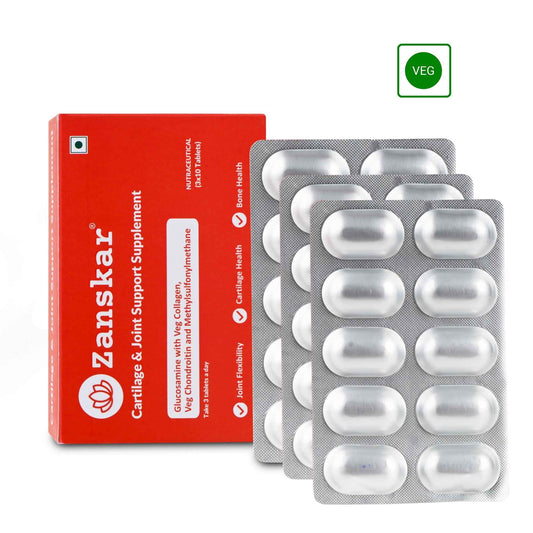
At Zanskar, our focus is on clean, plant-based formulations designed to complement an active, balanced lifestyle. These products are intended to support joint and muscle comfort as part of a broader approach to well-being, not as a replacement for medical care.
Final Note
Pain is complex, and supporting the body consistently can make everyday movement feel easier over time. A thoughtful combination of movement, stress balance, and joint-supportive care can go a long way in improving daily comfort.
Learn More About Us
If you have joint pain, muscle pain or headaches that makes it hard to move, Zanskar offers the most advanced full stack pain relief solutions for you.
Now available to purchase, Zanskar® pain-care range have unique bio-active formulations. It provides lasting relief from muscle and joint discomfort that you can feel good about. Get your fix before stocks run out - buy now.
You can also gain access to therapeutic exercises and stretches for your condition by downloading the Zanskar Health physiotherapy mobile app. Additionally, you’ll have a personal care team to guide, support, and tailor our program to you, including behavioral and nutritional coaching.
Download our mobile app here 👉 download and track your exercise streak.
Medical Review: This article is written and medically reviewed by Dr Nishtha Mittal (Senior Health Content Editor at Zanskar Health). This article and its contents are provided for educational and informational purposes only and do not constitute medical advice or professional services specific to you or your medical condition.