














Do Asthma Inhalers Cause Bone Loss?

Asthma is a chronic condition that often requires long-term medication to maintain breathing control and prevent flare-ups. For many patients, inhalers are life-saving and non-negotiable. However, emerging clinical evidence shows that long-term use of certain asthma inhaler medicines may contribute to bone loss, especially when risk factors are ignored or unmanaged.
This article explains how asthma medications affect bone health, who is at risk, and what can be done to protect bones without compromising asthma control.
Understanding the Link Between Asthma Treatment and Bone Health
The concern around bone loss is primarily linked to corticosteroids, a class of anti-inflammatory medicines commonly used in asthma management.
These may be delivered as:
- Inhaled corticosteroids for daily asthma control
- Oral corticosteroids during severe asthma attacks
While inhaled steroids act mainly in the lungs and are far safer than oral steroids, long-term exposure can still have systemic effects, particularly at higher doses or with prolonged use.
How Corticosteroids Affect Bones
Corticosteroids influence bone metabolism in several ways:
1. Reduced Bone Formation
Steroids suppress osteoblasts, the cells responsible for building new bone.
2. Increased Bone Breakdown
They promote osteoclast activity, leading to faster bone resorption.
3. Impaired Calcium Absorption
Steroids reduce calcium absorption from the gut and increase calcium loss through urine.
4. Hormonal Effects
They interfere with vitamin D activation and sex hormones, both essential for bone density maintenance.
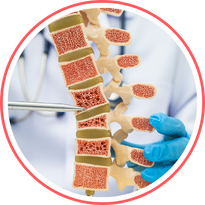
Over time, this imbalance can result in osteopenia or osteoporosis, increasing fracture risk.
Who Is Most at Risk
Not everyone using asthma inhalers develops bone loss. Risk increases when one or more of the following are present:
- Long-term use of high-dose inhaled corticosteroids
- Repeated or prolonged courses of oral steroids
- Postmenopausal women
- Older adults
- Low dietary calcium or vitamin D deficiency
- Sedentary lifestyle
- Smoking or excessive alcohol intake
- Family history of osteoporosis
Children and adolescents on long-term steroid therapy may also experience suboptimal peak bone mass development, which can affect bone health later in life.
Symptoms Are Often Silent
Bone loss is frequently called a “silent condition” because:
- Early stages show no pain or warning signs
- Fractures may be the first noticeable event
- Spine, hip, and wrist fractures are most common
This makes preventive screening and proactive care essential for people on long-term asthma medication.
Should Patients Stop Using Their Inhaler
No. Stopping or reducing asthma medication without medical supervision can be dangerous.
Uncontrolled asthma leads to:
- Frequent attacks
- Hospitalisation
- Reduced oxygen levels
- Increased systemic steroid use during emergencies, which is far worse for bones
The goal is optimal asthma control using the lowest effective steroid dose, not avoidance.
Protecting Bone Health While Managing Asthma
Bone loss associated with asthma treatment is preventable and manageable with the right approach.
- Use the Lowest Effective Dose: Regular review with a physician ensures medication is optimised.
- Ensure Adequate Calcium Intake: Dietary calcium supports bone mineralisation.
- Maintain Vitamin D Sufficiency: Vitamin D improves calcium absorption and bone strength.
- Strength and Weight-Bearing Exercise: Activities like walking, resistance training, and yoga stimulate bone formation.
- Periodic Bone Density Testing: Especially advised for long-term steroid users and high-risk individuals.
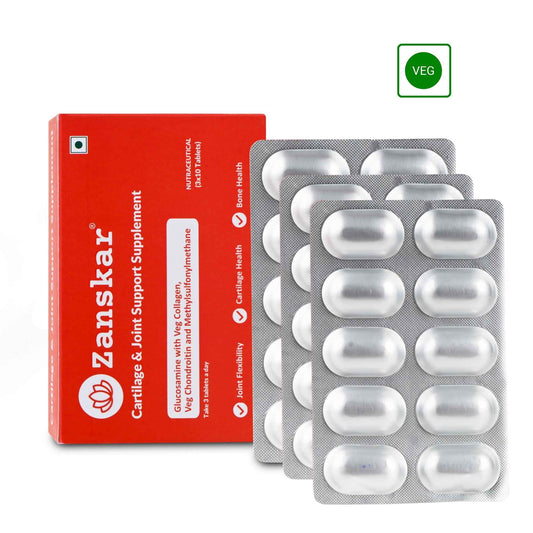
- Consider Bone-Supportive Nutrition: Nutrients such as magnesium, vitamin K, and trace minerals play supportive roles in bone metabolism. Zanskar Bone repair supplement is one such specially designed supplement you can consider.
When to Speak to Your Doctor
Patients with asthma should proactively discuss bone health if they:
- Have been using inhaled steroids for several years
- Require frequent oral steroid courses
- Have additional osteoporosis risk factors
- Experience unexplained back pain or loss of height
Early intervention can significantly reduce long-term complications.
The Takeaway
Asthma inhalers are essential and effective medicines that save lives. However, long-term steroid exposure can affect bone health if preventive measures are ignored.
With proper dosing, nutrition, physical activity, and monitoring, patients can maintain strong bones without compromising asthma control.
Asthma management and bone health are not opposing goals. When handled correctly, both can be protected together.
Learn More About Us
If you have joint pain, muscle pain or headaches that makes it hard to move, Zanskar offers the most advanced full stack pain relief solutions for you.
Now available to purchase, Zanskar® pain-care range have unique bio-active formulations. It provides lasting relief from muscle and joint discomfort that you can feel good about. Get your fix before stocks run out - buy now.
You can also gain access to therapeutic exercises and stretches for your condition by downloading the Zanskar Health physiotherapy mobile app. Additionally, you’ll have a personal care team to guide, support, and tailor our program to you, including behavioral and nutritional coaching.
Download our mobile app here 👉 download and track your exercise streak.
Medical Review: This article is written and medically reviewed by Dr Nishtha Mittal (Senior Health Content Editor at Zanskar Health). This article and its contents are provided for educational and informational purposes only and do not constitute medical advice or professional services specific to you or your medical condition.