


Postpartum Migraines: What Every New Parent Should Know
Becoming a parent is a beautiful and transformative journey. Yet for many people in the weeks after giving birth, migraine headaches can become a frustrating and painful part of postpartum life. Understanding what postpartum headaches are, why they happen, and how to manage them can make a real difference in your comfort during recovery.
What Are Postpartum Migraines?
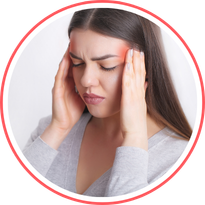
Postpartum headaches are any headaches that occur after childbirth, especially within the first six weeks. They can vary widely in how they feel. Some may be mild and dull, while others are sharp and throbbing. These headaches are often similar in type to the common headaches many people experience in everyday life, like tension headaches or migraines.
Common Symptoms
Symptoms of postpartum migraines may include:
- A dull, tightening pain around your head
- A throbbing or pulsing sensation
- Sensitivity to light or sound (especially with migraines)
- Pain that changes with movement or posture
Headaches after birth can also feel more intense when you’re dealing with typical new-parent challenges like sleep deprivation or stress.
Why Do These Headaches Happen?
There’s no single cause, but several factors make postpartum headaches very common:
1. Hormone changes: After delivery, your body undergoes dramatic shifts in hormone levels, especially estrogen. These fluctuations can trigger headaches, particularly migraines, in many new parents.
2. Physical and emotional stress: Lack of sleep and the ongoing demands of newborn care all contribute to tension and migraine headaches.
3. Dehydration and nutrition: It’s common to lose a lot of fluids after giving birth, especially if you breastfeed (which can use up to 750ml of water a day). Not drinking enough or skipping meals can make headaches more likely.
4. Epidural-related headaches: If you had an epidural during labor, you could develop a post-dural-puncture headache due to spinal fluid leakage. These headaches tend to worsen when sitting or standing and improve when lying down.
5. Elevated blood pressure or health conditions: Preeclampsia, eclampsia, and other conditions can result in headaches.
When to See a Doctor
Most postpartum headaches are manageable at home, but seek medical help if you notice:
- Severe headaches that don’t improve with rest or pain relievers
- Headaches accompanied by changes in vision, confusion, or seizures
- High blood pressure, swelling, or severe abdominal pain
- Headaches following an epidural that don’t improve within 24–48 hours
Treatment and Relief
Managing postpartum headaches involves a combination of guided movement, lifestyle approaches, and medical support when needed. The best treatment often depends on the specific type of headache you’re experiencing, as different causes may call for different approaches.
1. Self-care and pain relief: For common tension or migraine headaches, rest, hydration, and over-the-counter pain medicines (as recommended by your healthcare provider) can help. Gentle neck stretches or relaxation techniques may also ease muscle tension around your head and shoulders.
2. Physical therapy and movement: Therapeutic exercises like neck tilts, chin tucks, and gentle stretching have been recommended by physical therapists to relieve tension in areas that contribute to headache pain.
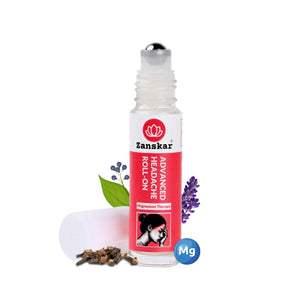
3. Topical Product: Some women also find benefit from localized, non-oral relief options, especially when they prefer to limit systemic medications during breastfeeding. This is where products like the Zanskar Headache Roll-On are often used as a supportive option alongside rest and hydration. Being topical and fast-applying, it fits easily into a postpartum routine without interfering with daily caregiving.
4. Medical treatment when needed: If headaches are severe, persistent, or linked to underlying conditions, your provider may suggest further evaluation or specific treatments based on the cause.
Simple Tips to Reduce Headaches
- Drink plenty of water and eat regularly
- Try to sleep when you can to reduce stress and fatigue
- Avoid skipping meals or caffeine too suddenly
- Practice gentle breathing or relaxation exercises
- Take breaks when possible and ask for help with newborn care
- Try topical ointment like Zanskar Roll-on
Final Thoughts
Postpartum headaches are common and usually temporary, but they should not be ignored. Understanding triggers, prioritizing basic self-care, and choosing gentle relief strategies can make a meaningful difference during recovery.
If headaches feel unusual, severe, or persistent, consult a healthcare professional promptly. With the right approach, most new mothers can manage postpartum headaches effectively while focusing on healing and bonding with their baby.
Learn More About Us
If you have joint pain, muscle pain or headaches that makes it hard to move, Zanskar offers the most advanced full stack pain relief solutions for you.
Now available to purchase, Zanskar® pain-care range have unique bio-active formulations. It provides lasting relief from muscle and joint discomfort that you can feel good about. Get your fix before stocks run out - buy now.
You can also gain access to therapeutic exercises and stretches for your condition by downloading the Zanskar Health physiotherapy mobile app. Additionally, you’ll have a personal care team to guide, support, and tailor our program to you, including behavioral and nutritional coaching.
Download our mobile app here 👉 download and track your exercise streak.
Medical Review: This article is written and medically reviewed by Dr Nishtha Mittal (Senior Health Content Editor at Zanskar Health). This article and its contents are provided for educational and informational purposes only and do not constitute medical advice or professional services specific to you or your medical condition.