

Joint Pain Before Period: What’s the Connection?
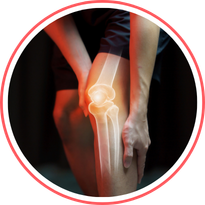
Many women notice that their joints feel sore, stiff, or achy in the days leading up to their period. While it can be surprising or frustrating, there’s a real biological basis for this pattern — and it’s largely tied to hormones and inflammation.
Why Joint Pain Happens Before Your Period
The menstrual cycle involves significant hormonal shifts. In particular, levels of estrogen and progesterone rise and fall throughout the cycle — and these hormones don’t just affect reproductive tissues. They also influence your pain perception, inflammation, and connective tissue.
As your cycle approaches menstruation (the week before bleeding starts), both estrogen and progesterone decline sharply. Estrogen, in particular, has natural anti-inflammatory effects and helps regulate fluid balance in the body. When estrogen dips:
- Your joints may become less lubricated and more tender.
- Inflammation can increase, sensitising pain receptors.
- Pain thresholds may change, making ordinary joint discomfort feel more intense.
Hormone-like chemicals called prostaglandins also rise around this time. These compounds help trigger the uterine contractions that start your period, but they can also contribute to systemic inflammation and joint or muscle aches.
Who Gets This and When
While not everyone experiences pre-period joint pain, it’s common among women who:
- Naturally have sensitive joints or low pain thresholds
- Experience other premenstrual symptoms like fatigue, headaches, or cramps
- Have underlying inflammatory conditions (e.g., arthritis), which can flare in response to hormonal changes
The pain typically begins in the luteal phase (about 1–2 weeks before menstruation) and usually eases once bleeding begins or shortly thereafter.
How Hormones Influence Joint Sensitivity
Here’s a deeper look at the biological mechanisms involved:
1. Estrogen’s Role
Estrogen isn’t just a reproductive hormone — it also affects pain signalling and inflammation throughout the body. When estrogen levels drop before your period:
- Inflammatory signals can become stronger
- Sensitivity to pain can increase
- Joint lubrication from synovial fluid may decrease, making movement stiffer or more uncomfortable
2. Prostaglandins and Pain
Prostaglandins are natural chemicals released during the menstrual cycle that help trigger uterine contractions. High prostaglandin levels can also lead to:
- Muscle aches
- Lower back pain
- Joint tenderness
- General discomfort
This contributes to the overall sensation of pain around the time of your period.
Tips to Manage Pre-Period Joint Pain
While the hormonal process itself isn’t something you can change, there are ways to ease the discomfort:
1. Stay Active with Gentle Movement
Light movement like stretching, yoga, walking, or gentle strength work can help keep joints mobile and reduce stiffness. Movement also releases endorphins — your body’s natural pain relievers.
2. Try Gentle Breathing & Relaxation
Stress can lower pain thresholds. Practices like diaphragmatic breathing or meditation can help reduce overall tension.
3. Heat or Cold Therapy
Depending on what feels better for you:
- Warm compresses can relax stiff joints
- Cold packs can reduce inflammation and swelling
4. Nutrition & Hydration
Eating anti-inflammatory foods (like omega-3-rich fish, leafy greens, herbs) and staying well-hydrated may help manage symptoms.
5. Track Your Symptoms
Keeping a symptom diary over several cycles can help you predict when joint pain is likely to occur — and plan relief strategies accordingly.
When to See a Doctor
Occasional joint soreness around your period can be normal. However, you should consult a healthcare provider if:
- Pain is severe or debilitating
- Pain does not improve after your period starts
- You notice significant swelling or warmth in joints
- The pattern changes or interferes with daily activities
Persistent or abnormal joint pain may indicate another condition requiring evaluation.
Takeaway
Joint pain before your period is a real and biologically grounded symptom — driven by changing hormone levels and inflammatory signals. While not everybody experiences it, understanding the hormonal connection can help you manage it better and differentiate it from other causes that might need medical attention.
Learn More About Us
If you have joint pain, muscle pain or headaches that makes it hard to move, Zanskar offers the most advanced full stack pain relief solutions for you.
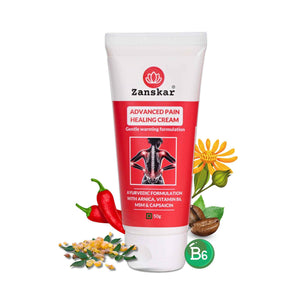
Now available to purchase, Zanskar® pain-care range have unique bio-active formulations. It provides lasting relief from muscle and joint discomfort that you can feel good about. Get your fix before stocks run out - buy now.
You can also gain access to therapeutic exercises and stretches for your condition by downloading the Zanskar Health physiotherapy mobile app. Additionally, you’ll have a personal care team to guide, support, and tailor our program to you, including behavioral and nutritional coaching.
Download our mobile app here 👉 download and track your exercise streak.
Medical Review: This article is written and medically reviewed by Dr Nishtha Mittal (Senior Health Content Editor at Zanskar Health). This article and its contents are provided for educational and informational purposes only and do not constitute medical advice or professional services specific to you or your medical condition.