








Do calcium supplements actually cause kidney stones?

Kidney stones are becoming increasingly common, especially in India where dehydration, dietary habits, and lifestyle factors can increase the risk of stone formation. One of the biggest misconceptions around kidney stones is the belief that calcium itself is harmful.
Many people stop taking calcium supplements out of fear that they may cause kidney stones. However, the relationship between calcium and kidney stones is far more complex.
What Are Kidney Stones?
Kidney stones are hard mineral deposits that form when certain substances in urine become highly concentrated and crystallize inside the kidneys. One of the most common types is the calcium oxalate stone.
Symptoms may include:
- severe back or side pain
- burning during urination
- nausea or vomiting
- blood in urine
- frequent urge to urinate
While calcium is present in many kidney stones, this does not automatically mean calcium intake itself is the root cause.
The Biggest Myth: “Calcium Causes Kidney Stones”
This is one of the most widespread misconceptions.
While many kidney stones contain calcium, dietary calcium itself is often not the main culprit. Studies and medical experts increasingly show that adequate calcium intake from food may actually help reduce the risk of calcium oxalate stones.
How Does Calcium Actually Help?
Oxalates are compounds found in foods such as:
- Spinach
- Beetroot
- Nuts
- Chocolate
- Tea
Dietary calcium binds with oxalates in the intestines. This prevents oxalates from being absorbed into the bloodstream and later excreted in urine, where they could form stones.
Without enough calcium intake:
- More oxalate gets absorbed
- More oxalate reaches the urine
- Stone risk may increase
Widespread inadequate calcium intake affects a large majority of India’s population.
Why Daily Calcium Intake Matters
As people age, maintaining adequate calcium intake becomes increasingly important for:
- preserving bone mass
- supporting mobility
- reducing risk of weakness and fractures
- supporting muscle and nerve function
This is especially relevant for:
- adults over 30
- women
- individuals with low calcium intake
- people with sedentary lifestyles
Long-term calcium deficiency may contribute to weakening of the skeletal system over time.
Studies indicate that up to 90% of Indian adults do not consume enough dietary calcium to meet their physiological needs.
The goal should not be avoiding calcium, but ensuring the body receives consistent and properly absorbed calcium support daily.
Does the Type of Calcium Matter?
Not all calcium supplements are absorbed equally by the body. The form of calcium can significantly influence how effectively the body utilizes it.
Traditional calcium supplements often use calcium carbonate, which may require higher stomach acid for optimal absorption and is commonly advised to be taken with meals. Some individuals may also experience digestive discomfort such as bloating or constipation.
Modern forms such as Calcium Citrate Malate (CCM) are increasingly preferred because of their higher bioavailability and improved absorption profile. CCM is known for:
- enhanced calcium absorption
- better utilization by the body
- easier digestion
- improved tolerance in many individuals
This is especially helpful for:
- older adults
- people with digestive sensitivity
- individuals looking for long-term calcium support
Better Absorption Matters
Many people focus only on the calcium quantity listed on the label. But in reality:
“Your body benefits from the calcium it absorbs, not just the calcium it consumes.”
Choosing a highly bioavailable calcium form (such as Zanskar Bone Support Supplement) may help improve calcium utilization while supporting long-term bone health more efficiently.
How to Take Calcium Supplements Properly
The way calcium is taken may influence both absorption and tolerance.
Helpful practices include:
- taking calcium regularly instead of inconsistently
- maintaining adequate daily water intake
- avoiding excessive salt consumption
- taking calcium with meals when advised for the formulation
- following recommended dosage instructions
- avoiding unnecessary overconsumption
Hydration is especially important because low fluid intake is one of the biggest contributors to kidney stone formation.
Common Factors That Increase Kidney Stone Risk
Kidney stone risk is influenced by many lifestyle factors beyond calcium alone.
1. Dehydration
Insufficient water intake can concentrate minerals in urine and increase stone formation risk.
2. Excess Salt Intake
High sodium intake may increase calcium excretion through urine.
3. Poor Dietary Balance
Highly processed foods and excessive sugary beverages may negatively affect metabolic balance.
4. Sedentary Lifestyle
Low physical activity and poor metabolic health are associated with increased kidney stone risk.
5. Inadequate Hydration in Hot Weather
This is especially important in India’s climate, where fluid loss through sweating is common.
Common Myths About Calcium and Kidney Stones
Myth 1: “Calcium supplements should always be avoided”
Calcium is an essential nutrient needed daily for bone and muscle health. The focus should be on balanced intake and proper usage.
Myth 2: “Kidney stones are caused only by calcium”
Multiple factors including hydration, salt intake, and lifestyle contribute to stone formation.
Myth 3: “More calcium is always better”
Excessive supplementation beyond recommended intake should be avoided. Balance matters.
Myth 4: “Stopping calcium protects bone health”
Long-term inadequate calcium intake may negatively affect bone density and skeletal strength.
Tips to Support Bone Health While Reducing Stone Risk
- Stay well hydrated throughout the day
- Follow recommended calcium dosage instructions
- Choose highly absorbable calcium forms when possible
- Limit excess salt intake
- Maintain regular physical activity
- Avoid unnecessary excessive supplementation
- Support overall nutritional balance
Final Thoughts
Calcium should not be feared. It is one of the body’s most important nutrients for maintaining strong bones, muscle function, and long-term mobility.
The real focus should be on:
- balanced calcium intake
- proper absorption
- hydration
- sensible supplementation habits
- overall lifestyle balance
Rather than eliminating calcium, a smarter approach is choosing well-absorbed calcium forms, taking supplements correctly, and supporting the body with healthy daily habits.
Learn More About Us
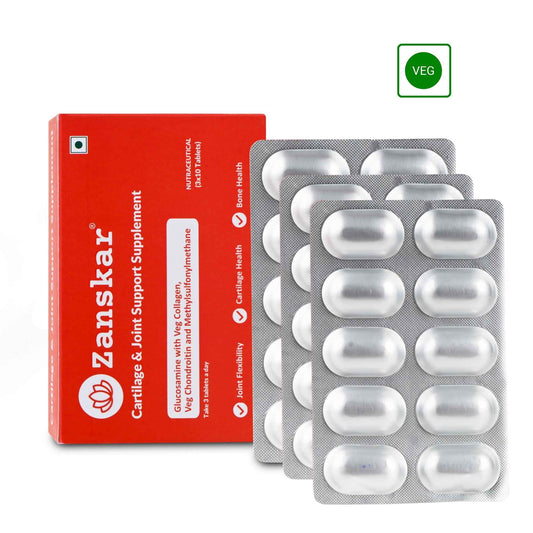
If you have joint pain, muscle pain or headaches that makes it hard to move, Zanskar offers the most advanced full stack pain relief solutions for you.
Now available to purchase, Zanskar® pain-care range have unique bio-active formulations. It provides lasting relief from muscle and joint discomfort that you can feel good about. Get your fix before stocks run out - buy now.
You can also gain access to therapeutic exercises and stretches for your condition by downloading the Zanskar Health physiotherapy mobile app. Additionally, you’ll have a personal care team to guide, support, and tailor our program to you, including behavioral and nutritional coaching.
Download our mobile app here 👉 download and track your exercise streak.
Medical Review: This article is written and medically reviewed by Dr Nishtha Mittal (Senior Health Content Editor at Zanskar Health). This article and its contents are provided for educational and informational purposes only and do not constitute medical advice or professional services specific to you or your medical condition.