








Knee crepitus: Why Your Knees Crack, Click, or Pop
If you’ve ever stood up from a chair, climbed stairs, or squatted down only to hear a loud pop or crack from your knee, you’re not alone. Knee popping, medically known as crepitus, is incredibly common and, in most cases, completely harmless.
The sound can be surprising, but it doesn’t automatically mean your knee is damaged or that arthritis has started. Understanding why your knees make noise can help you know when to ignore it and when it’s worth getting checked.
What Is Knee Crepitus?
Knee crepitus (or popping) refers to any clicking, cracking, snapping, crunching, or grinding sound that occurs when you bend or straighten your knee.
These sounds can happen while:
- Standing up after sitting
- Walking up or down stairs
- Squatting
- Running
- Kneeling
- Stretching after long periods of sitting
Many people notice these noises more often as they get older, but knee popping can occur at any age.

Why Do Knees Pop?
Several perfectly normal processes inside your knee can create these sounds.
1. Gas Bubbles in Joint Fluid
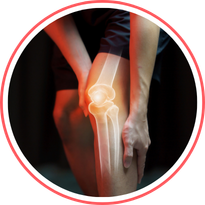
Your knee joint contains synovial fluid, which lubricates the joint and allows smooth movement. Dissolved gases naturally exist in this fluid.
When pressure inside the joint changes during movement, tiny gas bubbles can form or collapse, producing the familiar popping sound. This is similar to cracking your knuckles and is generally harmless.
2. Tendons and Ligaments Moving
As your knee bends, tendons and ligaments may briefly stretch over a bony prominence before snapping back into place.
This creates a clicking or snapping sensation without causing damage.
3. Cartilage Surfaces Moving
The ends of your bones are covered with smooth cartilage that helps your joints glide effortlessly.
With age or regular use, the cartilage surface may become slightly less smooth. As these surfaces move against each other, you may hear a soft grinding or crunching sound.
Importantly, noise alone doesn’t necessarily indicate arthritis.
4. Muscle Tightness
Tight muscles around the knee, especially the quadriceps, hamstrings, calves, or iliotibial (IT) band, can slightly alter how the kneecap tracks during movement.
This may increase clicking or popping during activities like squats or climbing stairs.
Is Knee Popping Normal?
In most people, yes.
If your knee pops occasionally without:
- Pain
- Swelling
- Instability
- Locking
- Reduced movement
there is usually no reason for concern.
Many healthy athletes have noisy knees despite having perfectly normal joint function.
When Should You Be Concerned?
A popping sound deserves medical attention if it occurs alongside any of these symptoms:
- Sudden severe pain
- Swelling after an injury
- Inability to fully bend or straighten the knee
- Knee locking in one position
- Feeling like the knee gives way
- Difficulty bearing weight
- Repeated painful popping
These symptoms may indicate conditions such as:
- Meniscus injury
- Ligament tear
- Patellar instability
- Cartilage injury
- Osteoarthritis
Prompt evaluation can help identify the underlying cause.
Does Knee Popping Mean You Have Arthritis?
Not necessarily.
Many people worry that every crack or pop means their cartilage is wearing away.
In reality:
- Pain-free knee popping is extremely common.
- Arthritis usually causes additional symptoms like persistent pain, stiffness, swelling, and reduced mobility.
- Noise by itself is not enough to diagnose arthritis.
Can Exercise Help?
Yes.
Avoiding movement often makes knees feel stiffer over time.
Regular exercise helps by:
- Strengthening the muscles that support the knee
- Improving joint stability
- Maintaining flexibility
- Promoting circulation of joint fluid
Low-impact activities like walking, cycling, swimming, and targeted strengthening exercises are generally beneficial for knee health.
Tips to Keep Your Knees Healthy
Simple habits can support healthy knee function:
- Stay physically active.
- Strengthen your quadriceps, hamstrings, glutes, and calves.
- Warm up before exercise.
- Stretch regularly if you spend long hours sitting.
- Maintain a healthy body weight to reduce stress on the knee joints.
- Increase activity gradually rather than making sudden jumps in training intensity.
The Bottom Line
Hearing your knees crack or pop can be unsettling, but in most cases, it’s simply a normal part of how healthy joints move. Gas bubbles, shifting tendons, and natural joint mechanics are common reasons behind these sounds.
The key difference is whether the noise is accompanied by symptoms. Pain, swelling, locking, or instability should never be ignored, but painless knee popping is rarely a sign of serious joint damage.
Keeping your knees strong, mobile, and active remains one of the best ways to support long-term joint health.
Learn More About Us
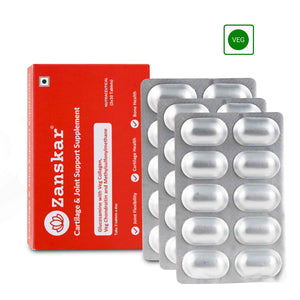
If you have joint pain, muscle pain or headaches that makes it hard to move, Zanskar offers the most advanced full stack pain relief solutions for you.
Now available to purchase, Zanskar® pain-care range have unique bio-active formulations. It provides lasting relief from muscle and joint discomfort that you can feel good about. Get your fix before stocks run out - buy now.
You can also gain access to therapeutic exercises and stretches for your condition by downloading the Zanskar Health physiotherapy mobile app. Additionally, you’ll have a personal care team to guide, support, and tailor our program to you, including behavioral and nutritional coaching.
Download our mobile app here 👉 download and track your exercise streak.
Medical Review: This article is written and medically reviewed by Dr Nishtha Mittal (Senior Health Content Editor at Zanskar Health). This article and its contents are provided for educational and informational purposes only and do not constitute medical advice or professional services specific to you or your medical condition.