



Menopause and Back Pain: Why It Happens and How to Find Relief

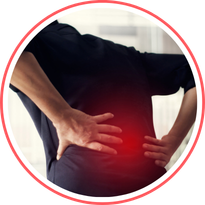
Back pain is one of the most common complaints among women during midlife. While many assume it’s simply a part of aging, the hormonal changes that occur during menopause can have a profound effect on the spine, muscles, and bones.
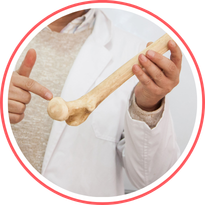
One of the biggest yet often overlooked changes during menopause is the accelerated loss of bone density. In fact, women can lose up to 20% of their bone mass in the first 5-7 years after menopause, largely due to the sharp decline in estrogen levels. Since the spine is made up of vertebrae that rely on strong, healthy bones, this bone loss can contribute to back pain, reduced mobility, poor posture, and a higher risk of fractures.
The good news is that menopause-related back pain can often be managed through regular exercise, proper nutrition, and proactive bone care.
Can Menopause Cause Back Pain?
Yes. While menopause itself doesn’t directly cause back pain, the hormonal changes associated with perimenopause and menopause increase the risk of several conditions that can lead to spinal discomfort.
Declining estrogen affects not just the reproductive system but also the health of your bones, muscles, joints, and connective tissues. As these structures weaken, everyday activities like standing, bending, or lifting may begin to feel more painful.
Many women notice back pain alongside other menopausal symptoms such as hot flashes, sleep disturbances, fatigue, mood changes, and joint stiffness.
Why Does Menopause Lead to Back Pain?
1. Accelerated Bone Loss
Estrogen plays a critical role in maintaining bone strength by balancing the natural process of bone breakdown and bone formation. Once estrogen levels begin to decline, bone is lost faster than it can be rebuilt.
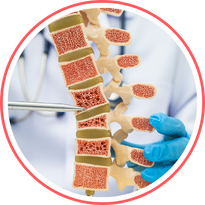
This rapid reduction in bone mineral density increases the risk of osteopenia (low bone mass) and eventually osteoporosis, where bones become porous and fragile. The vertebrae of the spine are particularly vulnerable. Even small compression fractures or gradual weakening of these bones can result in chronic back pain, loss of height, or a stooped posture over time.
Because bone loss is silent and often progresses without symptoms until a fracture occurs, maintaining bone health during menopause becomes especially important.
2. Loss of Muscle Strength
Menopause also accelerates the natural loss of muscle mass that comes with aging. Weaker core and back muscles provide less support to the spine, increasing mechanical stress on the lower back.
3. Changes in Connective Tissue
Estrogen supports collagen production, helping maintain healthy ligaments, tendons, and spinal discs. Lower estrogen levels can reduce flexibility and cushioning between the vertebrae, leading to stiffness and discomfort.
4. Increased Inflammation
Hormonal changes may contribute to increased inflammation, making existing conditions such as arthritis or degenerative disc disease more symptomatic.
5. Weight Gain Around the Midsection
Many women gain weight during menopause, particularly around the abdomen. This shifts the body’s center of gravity, placing extra strain on the lower back.
6. Poor Sleep and Reduced Recovery
Night sweats and sleep disturbances can reduce the body’s ability to recover from everyday muscle strain, making pain feel more intense.

Other Conditions That Can Cause Back Pain During Menopause
Not all back pain is caused by hormonal changes. Other possible causes include:
- Osteoarthritis
- Degenerative disc disease
- Herniated discs
- Osteoporosis
- Spinal stenosis
- Sciatica
- Muscle strain
- Poor posture
A healthcare professional can help determine the exact cause if pain is persistent or severe.
How to Relieve Menopause-Related Back Pain
1. Stay Physically Active
Although resting may seem tempting, prolonged inactivity often worsens stiffness and muscle weakness.
Aim for at least 150 minutes of moderate physical activity each week. Walking, swimming, cycling, and yoga are all excellent choices.
2. Strengthen Your Core
Strong abdominal, hip, and back muscles reduce pressure on the spine.
Helpful exercises include:
- Glute bridges
- Bird dog
- Dead bug
- Pelvic tilts
- Wall sits
- Side planks (modified if needed)
Start slowly and increase intensity gradually.
3. Improve Flexibility
Gentle stretching keeps muscles and joints mobile.
Focus on stretching:
- Hamstrings
- Hip flexors
- Lower back
- Chest
- Shoulders
Yoga and Pilates can improve flexibility while also enhancing balance and posture.
4. Maintain Good Posture
Simple posture improvements can reduce daily strain on the spine.
Remember to:
- Sit with feet flat on the floor
- Keep shoulders relaxed
- Avoid prolonged sitting
- Use ergonomic chairs when working
- Lift heavy objects using your legs rather than your back
5. Maintain a Healthy Weight
Even modest weight loss can reduce stress on the lower back and improve mobility.
6. Supporting Bone Health During Menopause
Since bone loss accelerates during menopause, adopting bone-friendly habits early can help preserve strength and reduce the risk of osteoporosis and fractures.
Some key strategies include:
- Eat adequate calcium-rich foods every day.
- Ensure sufficient vitamin D, either through sunlight, diet, or supplementation.
- Include enough protein to support both muscles and bones.
- Perform regular weight-bearing and resistance exercises.
- Avoid smoking and limit excessive alcohol intake.
- Consider a comprehensive bone health supplement if your dietary intake is inadequate or if you’re at increased risk of bone loss.
A well-formulated bone health supplement that combines Calcium Citrate Malate, Vitamin D3, Vitamin K2-7, Magnesium, Zinc, Boron, and collagen-supporting nutrients may help provide the building blocks needed to maintain strong bones during and after menopause. While supplements cannot replace a healthy diet or treat osteoporosis on their own, they can play an important role in meeting daily nutritional requirements and supporting long-term bone health.
7. Prioritize Sleep
Good-quality sleep helps reduce pain sensitivity and improves tissue repair.
Tips include:
- Keeping a consistent sleep schedule
- Limiting caffeine late in the day
- Keeping the bedroom cool
- Managing night sweats with breathable clothing and bedding
When Should You See a Doctor?
Seek medical evaluation if your back pain:
- Lasts longer than a few weeks
- Is severe or worsening
- Occurs after a fall or injury
- Causes numbness or weakness in the legs
- Is associated with bladder or bowel problems
- Occurs with unexplained weight loss or fever
- Prevents normal daily activities
Your doctor may recommend imaging, blood tests, physical therapy, or additional treatments depending on the cause.
Can Supplements Help?
While supplements cannot reverse menopause, some nutrients may support overall musculoskeletal health when dietary intake is inadequate.
These include:
- Calcium
- Vitamin D
- Magnesium
- Collagen peptides
- Omega-3 fatty acids
Women with existing osteoporosis or other medical conditions should consult their physician before starting supplements.
Frequently Asked Questions
1. Does back pain go away after menopause?
For many women, symptoms gradually improve once hormone levels stabilize after menopause. However, age-related spinal changes may continue, making exercise and strength training important for long-term back health.
2. Is walking good for menopause-related back pain?
Yes. Walking improves circulation, strengthens muscles, maintains joint mobility, and helps manage body weight. Regular walking is one of the safest forms of exercise for most women.
3. Can menopause cause upper back pain?
Yes. Although lower back pain is more common, hormonal changes, muscle tension, poor posture, and reduced muscle strength can also contribute to discomfort in the upper back and shoulders.
Final Thoughts
Back pain during menopause is common, but it doesn’t have to become your new normal. Hormonal changes can affect bones, muscles, joints, and connective tissues, making the spine more susceptible to discomfort. Fortunately, regular exercise, strength training, good posture, healthy nutrition, quality sleep, and timely medical care can make a significant difference.
If your back pain is persistent or interfering with your daily life, don’t ignore it. Early evaluation and appropriate treatment can help you stay active, mobile, and comfortable throughout menopause.
The article is based on established evidence about menopause-related musculoskeletal changes and incorporates concepts discussed in the Hinge Health reference, while being written in original wording and structure.
Learn More About Us
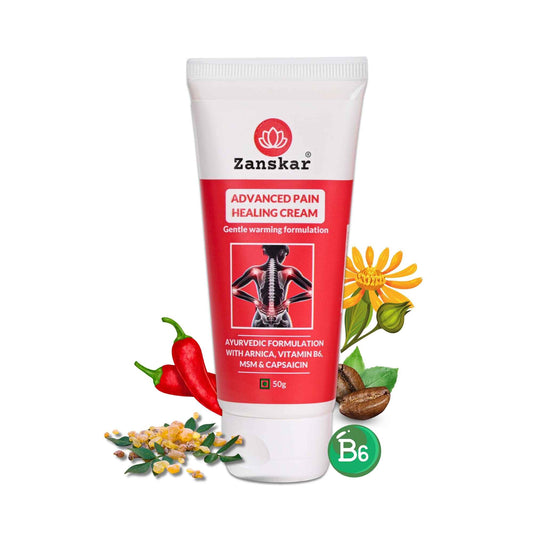
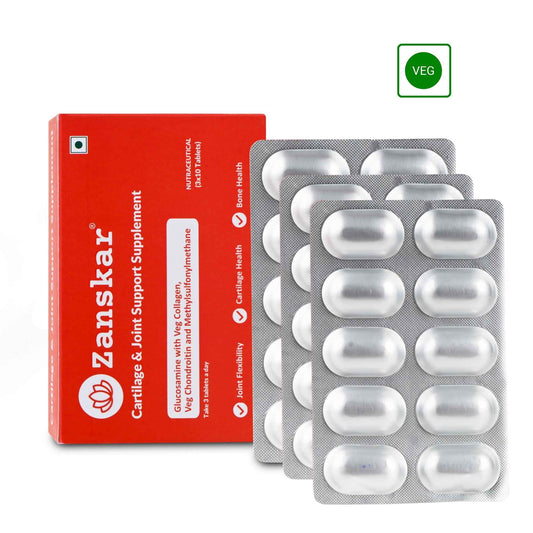
If you have joint pain, muscle pain or headaches that makes it hard to move, Zanskar offers the most advanced full stack pain relief solutions for you.
Now available to purchase, Zanskar® pain-care range have unique bio-active formulations. It provides lasting relief from muscle and joint discomfort that you can feel good about. Get your fix before stocks run out - buy now.
You can also gain access to therapeutic exercises and stretches for your condition by downloading the Zanskar Health physiotherapy mobile app. Additionally, you’ll have a personal care team to guide, support, and tailor our program to you, including behavioral and nutritional coaching.
Download our mobile app here 👉 download and track your exercise streak.
Medical Review: This article is written and medically reviewed by Dr Nishtha Mittal (Senior Health Content Editor at Zanskar Health). This article and its contents are provided for educational and informational purposes only and do not constitute medical advice or professional services specific to you or your medical condition.