









Top 12 Strategies to Try for Migraine Relief
Migraine is far more than an ordinary headache. It is a complex neurological condition that can bring intense throbbing pain, nausea, and an overwhelming sensitivity to light and sound — sometimes for hours or even days at a stretch. If you live with migraines, you already know how disruptive they can be to daily life. The good news is that a combination of smart lifestyle habits, natural remedies, and timely medical intervention can make a meaningful difference.
Here are 12 evidence-backed strategies to help you find relief — and even prevent the next attack from happening.
1. Apply a Cold Compress
Temperature therapy has been used for migraine relief for well over a century, and for good reason. Placing a cold pack, cooling headband, or chilled cloth over your forehead or the back of your neck can constrict blood vessels and slow nerve signalling — two mechanisms that help dial down both pain and inflammation. Research suggests that cold interventions can produce noticeable relief within as little as 30 minutes. It is a simple, drug-free first step worth keeping in your toolkit.
2. Rest in a Quiet, Dark Room
Light and sound sensitivity are hallmark symptoms of a migraine attack. The moment you feel one coming on, find a calm, dark space to lie down and decompress. Draw the curtains, switch off screens, and let your body rest. Pair this with slow, deep diaphragmatic breathing — inhale gently through your nose, feel your belly rise, then exhale slowly. This kind of controlled breathing helps activate the parasympathetic nervous system, easing the stress response that can worsen migraine pain.
3. Stay Hydrated
Dehydration is a well-known headache trigger, and migraines are no exception. Studies show that people who consistently meet their daily water intake targets tend to experience headaches that are less frequent, shorter in duration, and less severe. If you are prone to migraines, making hydration a daily non-negotiable — not just something you think about when a headache starts — can have a real preventive effect over time. Aim for at least 2–3 litres of water through the day, and increase this during hot weather or physical activity.
4. Use Caffeine Wisely
A small amount of caffeine can actually help relieve a migraine in its early stages — which is why caffeine is an ingredient in several over-the-counter headache medications. It may enhance the absorption of pain-relief compounds and provide mild vasoconstriction. However, this is a double-edged sword. Consuming caffeine more than three days a week for migraine relief can create dependency, and the resulting withdrawal headaches may make things worse in the long run. If you choose to use caffeine as a strategy, keep it occasional and keep the quantity low — one small cup of tea or coffee at most.
5. Address Teeth Grinding (Bruxism)
If you wake up with headaches or jaw soreness, you may be grinding your teeth at night — a condition called bruxism. Research links sleep bruxism to a higher frequency of both headaches and migraines. The jaw tension and muscle strain it creates can radiate pain to the temples and trigger an attack. Speak to your dentist if you suspect this is an issue. A custom night guard, jaw-relaxation exercises, or stress-reduction techniques may significantly reduce how often you experience migraine episodes.
6. Practice Meditation and Stress Reduction
Stress is one of the most commonly reported migraine triggers. Chronic stress elevates cortisol, disrupts sleep, and creates a cycle of tension that makes the nervous system more reactive. Regular meditation — even just 10 to 15 minutes a day — can help break this cycle. Mindfulness practices, guided breathing, yoga, and progressive muscle relaxation have all been shown to reduce both the frequency and severity of migraine attacks over time. Think of meditation less as a cure and more as long-term maintenance for a calmer nervous system.
7. Try Massage Therapy
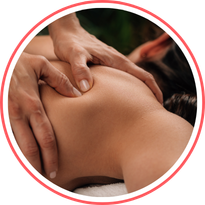
Massage does more than feel good — it has measurable effects on migraine pain. Clinical research has found that regular massage therapy can significantly reduce migraine intensity, with patients in one study reporting average pain scores dropping from around 7 out of 10 to around 3.5 after four weeks of treatment. Neck and shoulder massage, in particular, addresses the muscle tension that frequently accompanies or precedes an attack. Techniques like reflexology — which apply targeted pressure to points in the feet, hands, and earlobes — have also shown promise for migraine relief.
8. Eat Ginger
Ginger is one of the most well-researched natural remedies for migraine. It contains active compounds like gingerols and shogaols that inhibit prostaglandins — the same inflammatory mediators targeted by many pain-relief medications. Studies show ginger can reduce migraine pain meaningfully within two hours of consumption, and it is also effective against the nausea and vomiting that often accompany an attack. Ginger powder capsules tend to be used in research settings, but ginger tea, fresh ginger in warm water with honey, or even ginger candies may offer practical relief during an episode.
9. Take the Right Medication
For many people, medication remains the most reliable tool for stopping a migraine in its tracks. Over-the-counter options such as ibuprofen, aspirin, naproxen, and paracetamol can help with mild to moderate attacks when taken early. For more severe or frequent migraines, a doctor may prescribe triptans — a class of medications that target the specific neurological pathways involved in migraine — or newer treatments such as CGRP antagonists. Anti-nausea medications may also be needed alongside pain relief. The key is working with a healthcare professional to find the right combination for your specific pattern of migraines, rather than relying solely on trial and error.
10. Identify and Avoid Your Triggers
Every migraine sufferer has their own set of triggers, and understanding yours is one of the most powerful things you can do. Common triggers include irregular sleep, hormonal fluctuations, certain foods (aged cheese, alcohol, processed meats, artificial sweeteners), skipping meals, bright lights, strong smells, and emotional stress. Keeping a migraine diary — noting what you ate, how you slept, your stress levels, and your environment before each attack — can help you spot patterns over time. Once you know your triggers, you can take practical steps to avoid or manage them.
11. Treat Symptoms Early
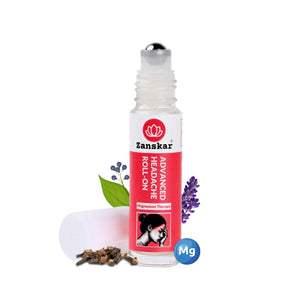
Timing is everything with migraine treatment. The longer you wait, the harder an attack becomes to manage. Many people experience a prodrome phase — a set of early warning signs that appear hours or even days before the headache itself. These can include mood shifts, neck stiffness, food cravings, unusual yawning, or light sensitivity. Others experience an aura of visual disturbances or tingling just minutes before the pain begins. Recognising these signals and acting on them immediately — whether by taking medication, resting, applying a cold compress, or reaching for the Zanskar Migraine Relief Roll-On — can reduce the severity of the attack or in some cases prevent it altogether. Because the roll-on is portable and requires no preparation, it is ideal to keep in your bag or desk drawer so relief is always within reach the moment warning signs appear.
12. Build a Comprehensive Treatment Plan
Managing migraines well is rarely about a single solution. The most effective approach combines multiple strategies — lifestyle adjustments, trigger management, natural remedies, and medical treatment — tailored to your individual needs. Work with your doctor to develop a personalised plan that covers both acute treatment (what to do when a migraine strikes) and preventive care (how to reduce how often they occur). A good plan should also factor in overall wellness: consistent sleep schedules, balanced nutrition, regular hydration, and stress management all play a supporting role.

A Final Word
Living with migraines can feel overwhelming, but it does not have to mean living on hold. The strategies above are most effective when used together and applied consistently. Start with the ones most relevant to your lifestyle, track your progress, and do not hesitate to seek professional guidance for attacks that are frequent or difficult to control.
At Zanskar, we believe in supporting whole-body wellness — from everyday aches to complex conditions like migraine. Explore our range of natural, science-backed supplements designed to support inflammation management and overall vitality.
Learn More About Us
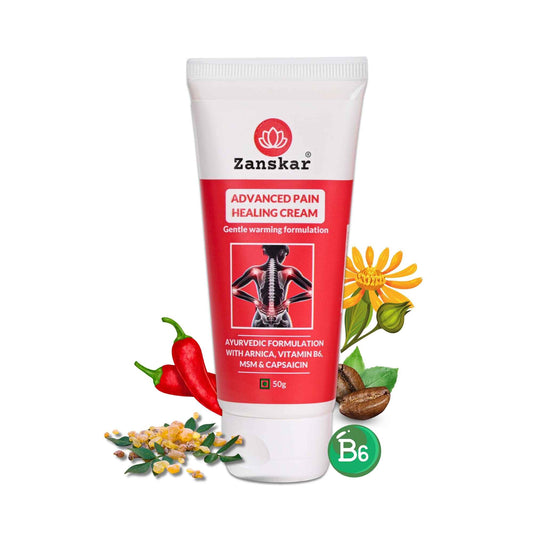
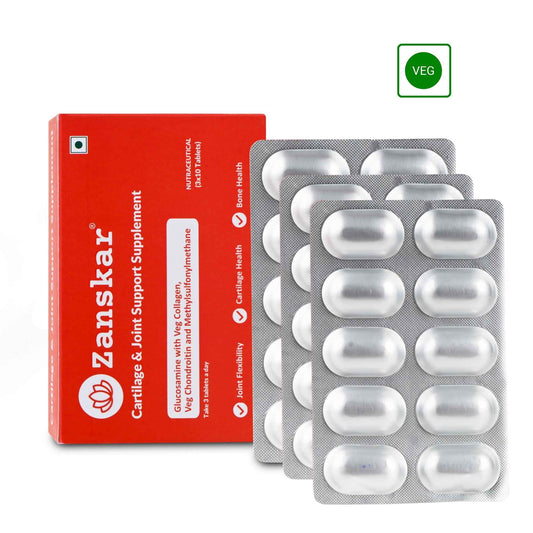
If you have joint pain, muscle pain or headaches that makes it hard to move, Zanskar offers the most advanced full stack pain relief solutions for you.
Now available to purchase, Zanskar® pain-care range have unique bio-active formulations. It provides lasting relief from muscle and joint discomfort that you can feel good about. Get your fix before stocks run out - buy now.
You can also gain access to therapeutic exercises and stretches for your condition by downloading the Zanskar Health physiotherapy mobile app. Additionally, you’ll have a personal care team to guide, support, and tailor our program to you, including behavioral and nutritional coaching.
Download our mobile app here 👉 download and track your exercise streak.
Medical Review: This article is written and medically reviewed by Dr Nishtha Mittal (Senior Health Content Editor at Zanskar Health). This article and its contents are provided for educational and informational purposes only and do not constitute medical advice or professional services specific to you or your medical condition.