



Kinesiology Tape for Pain Relief: What It Is, How It Works, and When It Helps

If you have ever watched athletes during major sporting events, you may have noticed bright strips of tape across shoulders, knees, or backs. This is Kinesiology Tape (K Tape), commonly used by physiotherapists and sports medicine professionals to support muscles and joints during movement.
While it is widely associated with elite athletes, K Tape is increasingly used by everyday individuals dealing with muscle pain, injury recovery, or physical strain. In this guide from Zanskar Health, we explain what K Tape is, how it works, and when it can be useful.
What Is K Tape?
K Tape is a thin, elastic therapeutic tape designed to support muscles and joints without restricting movement. Unlike rigid athletic tape that immobilizes joints, K Tape stretches and moves with the body.
The concept was introduced in the 1970s by Japanese chiropractor Dr. Kenzo Kase, who designed the tape to mimic the elasticity of human skin and allow normal motion while still providing support.
Today, K Tape is widely used in:
- Sports medicine
- Physical therapy and rehabilitation
- Post-injury recovery
- Chronic muscle or joint pain management
Its flexibility makes it suitable for people who want support while still maintaining an active lifestyle.
How K Tape Works
K Tape works through several biomechanical and neurological mechanisms. When applied correctly, the elastic tape gently lifts the skin, creating more space between tissues underneath.
This lifting effect can help:
- Improve blood circulation
- Promote lymphatic drainage
- Reduce pressure on pain receptors
- Support muscle function during movement
By reducing pressure and improving fluid flow in the area, the tape may help decrease inflammation and discomfort while the body heals.
In addition, the tape stimulates sensory receptors in the skin, which can enhance proprioception, meaning the body’s awareness of its position and movement.
Potential Benefits of K Tape
Although results vary depending on the condition and application technique, K Tape may offer several potential benefits.
1. Pain Relief
K Tape can help reduce stress on irritated tissues and decrease pain signals from the affected area.
2. Muscle Support
The tape provides gentle support to weakened or injured muscles while allowing them to move naturally.
3. Reduced Swelling and Inflammation
By improving lymphatic drainage and circulation, K Tape may help reduce swelling after injury or intense exercise.
4. Improved Movement and Stability
Athletes often use K Tape to stabilize joints and improve movement patterns without restricting range of motion.
5. Injury Prevention
The tape can help reinforce muscles and joints during activity, potentially reducing the risk of overuse injuries.
Common Conditions Where K Tape Is Used
K Tape can be applied to many areas of the body depending on the problem being addressed. Common uses include:
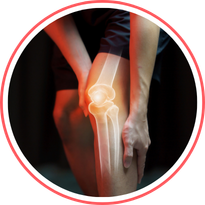
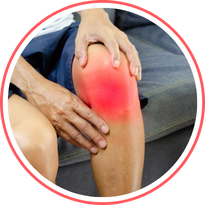
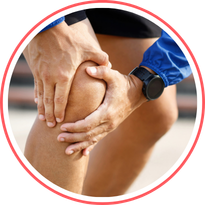
- Knee pain or runner’s knee
- Shoulder strain
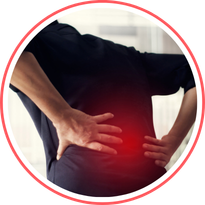
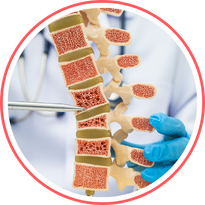
- Lower back pain
- Tennis elbow
- Ankle sprains
- Muscle fatigue after workouts
It is commonly applied to regions such as the shoulders, knees, calves, wrists, and lower back.
For many people, K Tape becomes part of a broader rehabilitation program that includes exercise, physiotherapy, and proper recovery.
What the Research Says
Scientific research on K Tape has produced mixed results. Some studies have shown improvements in pain levels or range of motion shortly after application, especially in conditions like neck injuries or low back pain.
However, systematic reviews suggest that the long-term benefits may be modest or inconsistent.
For this reason, most physiotherapists view K Tape as a supportive tool rather than a standalone treatment. It works best when combined with strengthening exercises, mobility work, and proper rehabilitation.
Important Tips Before Using K Tape
To use K Tape safely and effectively, keep the following points in mind:
- Proper application matters. Incorrect placement can reduce effectiveness.
- Consult a professional if you have a significant injury or chronic pain.
- Check for skin irritation before prolonged use.
- Avoid using the tape on open wounds or damaged skin.
K Tape and Muscle Recovery
While K Tape can provide mechanical support and improve circulation, it is only one piece of the recovery puzzle. Effective recovery often combines
- Movement therapy
- Anti-inflammatory support
- Muscle relaxation strategies
- Topical recovery products
For individuals dealing with everyday muscle pain or workout soreness, combining supportive techniques like K Tape with targeted pain relief products can improve overall comfort and recovery.
Final Thoughts
K Tape has become a widely recognized tool in sports medicine and physiotherapy. Its ability to support muscles, reduce swelling, and allow natural movement makes it a popular option for both athletes and everyday individuals.
However, it is best viewed as a complementary therapy, not a complete treatment on its own. When used alongside physiotherapy, strengthening exercises, and proper recovery practices, K Tape can play a valuable role in maintaining mobility and managing muscle discomfort.
Learn More About Us
If you have joint pain, muscle pain or headaches that makes it hard to move, Zanskar offers the most advanced full stack pain relief solutions for you.
Now available to purchase, Zanskar® pain-care range have unique bio-active formulations. It provides lasting relief from muscle and joint discomfort that you can feel good about. Get your fix before stocks run out - buy now.
You can also gain access to therapeutic exercises and stretches for your condition by downloading the Zanskar Health physiotherapy mobile app. Additionally, you’ll have a personal care team to guide, support, and tailor our program to you, including behavioral and nutritional coaching.
Download our mobile app here 👉 download and track your exercise streak.
Medical Review: This article is written and medically reviewed by Dr Nishtha Mittal (Senior Health Content Editor at Zanskar Health). This article and its contents are provided for educational and informational purposes only and do not constitute medical advice or professional services specific to you or your medical condition.